Add Row
Add Element
Add Element
  • Channel
    • VIRTUAL EVENTS BILLBOARD
    • CONFERENCES & CONVENTIONS
  • Featured
    • THE VORTEX VISIONARY VIEW
    • African Changemakers
    • Future of Africa
    • Sustainable Africa
    • Women Vortex
    • Vortex Global Pulse
    • Habitat Trails
    • InterContinental Issues
    • Intracontinental Currents
    • #FUTURE FEATURE INVITATION
July 26.2025
2 Minutes Read

Why Rewilding Nhamacoa in Mozambique is Critical for Africa’s Future

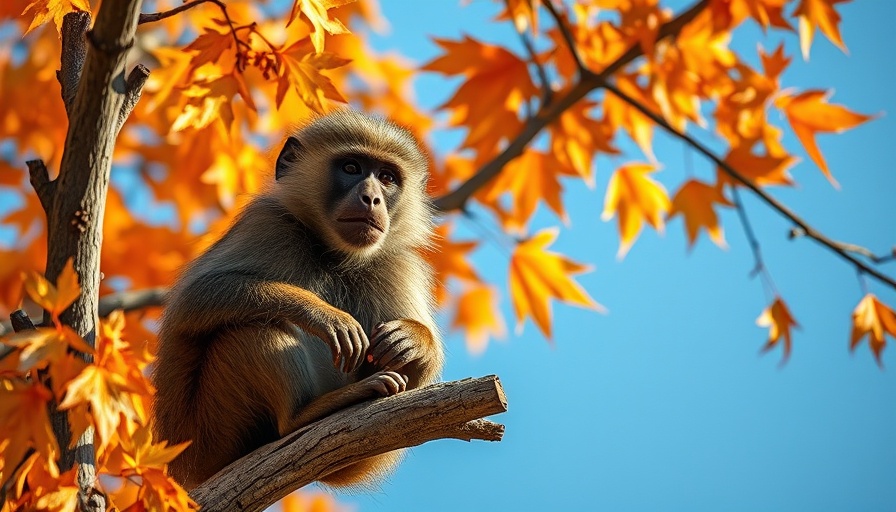
Curious baboon on tree branch, rewilding Nhamacoa Mozambique.

Rewilding Nhamacoa: A Hopeful Echo of Forest Resilience

Once vibrant with the melodies of nature, Mozambique’s Nhamacoa Forest now finds itself on the brink of silence. This forest, rich in trees and wildlife, faces a silent crisis characterized by reductions in tree cover and the gradual disappearance of local species. Communities dependent on this ecosystem are feeling the impact, as the loss of biodiversity threatens not just wildlife, but also cultural and ecological heritage.

The Urgency of Reforestation in Africa

The reforestation movement in Nhamacoa is pivotal in addressing today's increasing environmental challenges. Forests are integral, serving as the lungs of our planet, supporting countless species and human life. For many, reforestation isn't merely an environmental issue; it’s a matter of survival. As the late conservationist David Shepherd noted, wildlife has been marginalized to just 2% of the Earth—a stark reminder of the urgency surrounding conservation efforts today.

Growing a Greener Future: The Community's Role

Partnering with local organization Trees4Moz, volunteers have planted over 45,000 trees in the Nhamacoa region. This initiative emphasizes community participation, providing seedlings to local families and farmers, which is essential for restoring degraded lands. The project illustrates a collaborative spirit, where even children play a role in collecting seeds, symbolizing hope for the future. The diverse tree species cultivated include the Chanfuta, Panga Panga, and Pau Ferro, which are deeply intertwined with local cultural practices, contributing to healing traditions and sustainable materials.

Wildlife's Return: Signs of Rejuvenation

Recently, the rewilding efforts have shown promising signs, with wildlife returning to the forest, including Samango monkeys that are becoming a recurring sight. The introduction of more native species, such as the kapok tree, not only enhances biodiversity but also makes the forest resilient and functional. This multifaceted approach to conservation is vital in ensuring ecosystems thrive, allowing people and wildlife to coexist harmoniously.

Building Collaborative Futures Through Conservation

The success of the Nhamacoa project reflects a broader trend in sustainable practices across Africa. As conservation aligns with community empowerment, it can lead to improved livelihoods and reduce the carbon footprint, reinforcing the importance of sustainable energy and agriculture. Impact investing and green technology are crucial in advancing this narrative, offering financial support for initiatives that protect biodiversity and tackle climate change.

Support and participation in projects like those in Nhamacoa empower local communities while addressing urgent climate crises. By getting involved or contributing, we can foster resilience against the environmental challenges that lie ahead, ensuring a sustainable future for both nature and humanity.

Sustainable Africa

6 Views

0 Comments

Write A Comment

*
*
Related Posts All Posts

Innovative Strategies for Reducing Human-Elephant Conflict in Africa

Update Innovative Approaches to Coexistence As human-wildlife conflict escalates in rural parts of Zimbabwe, the Living Borders project stands out as a beacon of hope for both elephants and the farming communities that coexist with them. Traditional methods to mitigate these conflicts, such as fences or even culling, often lead to more harm than good. This project takes a groundbreaking approach by employing non-lethal chili-based deterrents that not only protect crops but also empower the local community. Community Engagement at the Core Local community involvement is crucial in the project's success. By educating farmers on sustainable cultivation techniques and promoting chili as a natural barrier against elephants, the project fosters a spirit of cooperation. Reports show that such involvement can significantly enhance community relationships with wildlife, promoting a shared responsibility for conservation. Supporting Livelihoods through Sustainable Practices Chili buffer zones are designed not just to deter elephants; they also provide a viable cash crop for farmers, enhancing food security and income. Farmers trained under the program have learned to diversify their crops and utilize water-efficient practices, ensuring that economic benefits accompany conservation efforts. As the project demonstrates, sustainable agriculture and wildlife protection can go hand-in-hand, promising a more harmonious coexistence. Leveraging Technology for Conservation Modern challenges demand innovative solutions. In addition to community engagement, data collection on human-wildlife interactions is pivotal for adapting and enhancing strategies. Monitoring systems help track elephant movement and assess the effectiveness of implemented interventions. This continual learning loop is critical for long-term conservation success. Broader Implications for African Conservation The efforts in Mbire are part of a larger narrative in Africa, where wildlife conservation often clashes with human needs. Solutions like those proposed in Living Borders are essential not just for elephants but also for numerous species affected by habitat loss and conflict. As climate change and unsustainable practices threaten biodiversity across the region, integrated initiatives can set the standard for future conservation strategies in Africa. Through innovative practices that address both ecological and community needs, the Living Borders project exemplifies a positive pathway toward reconciling human needs and wildlife conservation in Africa. Learn more about the innovative solutions for reducing human-elephant conflict and how you can contribute to these efforts. By supporting community-driven projects, you aid in creating a sustainable future for both wildlife and rural communities in Africa.

How Chili Peppers Are Transforming Human-Elephant Conflict Reduction in Zimbabwe

Update Understanding Human-Elephant Conflict in ZimbabweThe gentle giants of the African savanna, elephants are regarded as keystone species, crucial to their ecosystems. However, in regions like Mbire, Zimbabwe, these majestic creatures also represent a growing threat to local agriculture. Farmers, struggling to secure their livelihoods, face daily battles as elephants invade their fields in search of food. This human-elephant conflict damages crops, threatens food security, and diminishes community morale, creating a cycle of retaliation against elephants.Innovative Solutions: Chili Pepper as a Natural DeterrentInnovative approaches are required to address this pressing issue sustainably. One remarkable initiative has seen the introduction of chili pepper as a natural deterrent to these lumbering invaders. Local farmers are trained to plant chili plants around their fields, leveraging elephants' sensitive olfactory senses to keep them at bay. This method has proven effective, reducing crop damage while providing an additional income source for farmers through the sale of chili peppers.Empowering Communities through Sustainable PracticesCommunity engagement remains at the heart of this project. By involving farmers in decision-making processes and educating them on sustainable farming techniques, local sentiments toward wildlife can shift from adversarial to cooperative. Programs that promote crop diversification, water-efficient irrigation, and organic fertilizers not only help families improve their economic stability but also cultivate a greater appreciation for the wildlife surrounding them.The Importance of Biodiversity and CoexistenceMaintaining biodiversity is critical amidst climate changes and habitat destruction. By protecting elephants, a species that can harm crops if not effectively managed, communities can also enhance ecological health, fostering a thriving environment for both people and wildlife. The need for coexistence between humans and wildlife has never been more urgent, and innovative solutions like those in Mbire are leading the charge.Join the Conversation and Advocate for ChangePolicy decisions can influence conservation efforts on a larger scale. As initiatives like the chili pepper project show promise, involvement from organizations focused on climate action, conservation, and sustainable development is vital. Elevate discussions within your networks, advocate for funding, and support local conservation efforts—they pave the way for a more harmonious future where humans and wildlife can thrive together.

Jane Goodall's Lasting Legacy: Catalyst for Global Conservation Action

Update A Tribute to a Trailblazer in Conservation With profound sadness, the world reflects on the legacy of Dr. Jane Goodall, who passed away on October 1, 2025, leaving behind a monumental impact on wildlife conservation and environmental advocacy. Not merely the leading expert on chimpanzees, Goodall catalyzed a global movement dedicated to protecting our natural world, influencing millions in the process. Foundations of a Global Conservation Movement In 1977, Goodall established the Jane Goodall Institute (JGI), aimed at safeguarding chimpanzees and their habitats. Now boasting offices in 25 countries, JGI not only addresses critical issues like habitat destruction and poaching but also fosters human-wildlife coexistence. The compassion Goodall embedded into her conservation efforts can be seen through Roots & Shoots, her global youth program empowering young people to lead sustainable local projects. This initiative, originating with just 12 students, has blossomed into a movement involving participants from over 75 countries. The Philosophy of Compassion in Conservation Goodall's pioneering work underscored a unique approach to wildlife protection that blends scientific acumen with ethical considerations. Her belief that every animal matters solidified the framework of compassionate conservation, which emphasizes both the well-being of individual animals and the broader ecosystems in which they reside. This approach fostered the notion of non-violence and coexistence, advocating for solutions to human-wildlife conflict that prioritize protection over eradication. Projects like Tacare exemplify her commitment to community-based strategies, ensuring that conservation aligns with human communities' needs. Inspiring Generations Through Education The legacy of Jane Goodall is also rooted in education. Her consistent advocacy for youth involvement in conservation highlighted the importance of educating the next generation. Through storytelling, she inspired countless young activists who now lead the charge for environmental change across various platforms. Goodall’s poignant statement, “Every individual matters. Every individual has a role to play,” resonates deeply, urging everyone, especially young people, to engage in meaningful conservation efforts. Continuing Her Mission Following her passing, Jane Goodall's spirit reverberates through the countless initiatives and grassroots projects she ignited. True to her vision, the conservation movement continues to thrive, propelled by the passion of those she inspired. Policymakers, NGOs, and individuals globally have an urgent call to action: to champion conservation efforts that respect both nature and humanity, ensuring a sustainable future for all. As global stakeholders, we now have the profound responsibility to uphold her legacy and fight for our planet, echoing her life’s work and dedication to compassionate conservation.

Terms of Service

Privacy Policy

Core Modal Title

Sorry, no results found

You Might Find These Articles Interesting

T
Please Check Your Email
We Will Be Following Up Shortly
*
*
*