Add Row
Add Element
Add Element
  • Channel
    • VIRTUAL EVENTS BILLBOARD
    • CONFERENCES & CONVENTIONS
    • # THE VORTEX ALTITUDE
  • Featured
    • THE VORTEX VISIONARY VIEW
    • African Changemakers
    • Future of Africa
    • Sustainable Africa
    • Women Vortex
    • Vortex Global Pulse
    • Habitat Trails
    • InterContinental Issues
    • Intracontinental Currents
    • #FUTURE FEATURE INVITATION
July 03.2025
2 Minutes Read

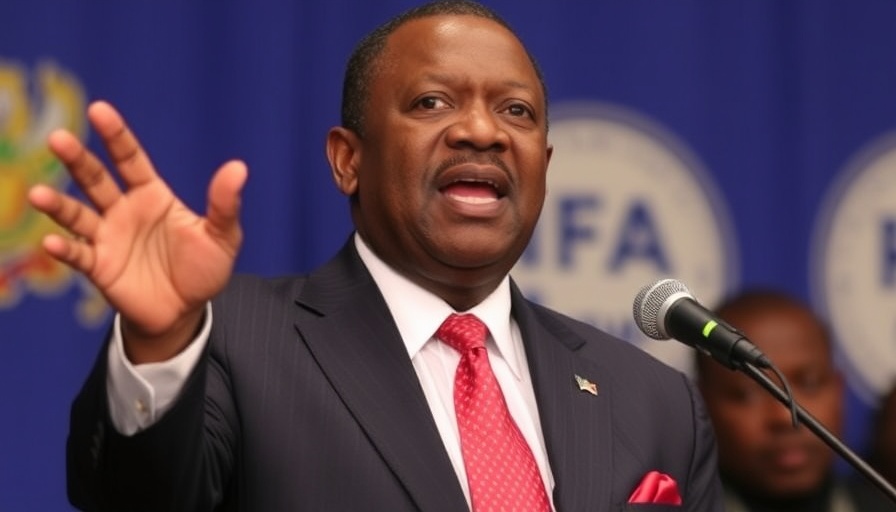
Understanding the Mnangagwa Succession Bid: Implications for Investors and Policymakers

Mnangagwa succession bid and a controversial tycoon roil Zanu-PF

Edgar Mnangagwa: The Controversial Succession Narrative

In recent months, the political landscape in Zimbabwe has been tumultuous as President Emmerson Mnangagwa's potential successors emerge amidst whispers of instability within the ruling Zimbabwe African National Union-Patriotic Front (Zanu-PF). As the 80-year-old leader navigates the challenges of a faltering economy and an antagonistic opposition, the narrative of succession has garnered significant attention, particularly with the involvement of a notable tycoon fueling the tensions.

The Role of Business in Politics

Business interests inform the political tussle, illustrating a growing intersection between commerce and governance in Zimbabwe. The controversial tycoon, numerous reports suggest, has aligned himself with factions within Zanu-PF, potentially leveraging financial power to influence political outcomes. This phenomenon raises critical questions about the integrity of the political ecosystem—dissolving lines between economic strategy and political maneuvering. As the African economy evolves, leaders and investors must understand these nuances to capitalize on emerging trends.

Geopolitical Implications of Succession Controversies

The impending leadership struggle within Zanu-PF bears substantial implications for Zimbabwe’s foreign relations, especially against the backdrop of shifting geopolitical alliances. The interactions between Zimbabwe, China, and the European Union significantly impact trade policies and diplomatic engagements in Southern Africa, influencing the nation’s standing on the global stage. As policymakers and investors navigate these turbulent waters, recognizing the interconnectedness of local politics and international relations will be vital.

Investor Sentiment Amidst Uncertainty

Understanding the implications of Zanu-PF's internal struggles on Zimbabwe's financial markets is crucial for investors. Political risks often reflect on market performance, and as the nation grapples with governance challenges, maintaining robust engagement in the region becomes imperative. Business leaders must adopt a proactive approach to adapt their strategies in response to these political developments, ensuring their investments are resilient to potential upheavals.

Conclusion: Making Sense of Zimbabwe's Future

The succession saga in Zimbabwe offers a window into the complexities of African politics and its influence on economic stability. As the nation stands at a crossroads, the actions of historical figures and emerging political players will shape not just Zimbabwe’s future, but also the broader context of Africa's role in the global economy. Stakeholders must remain vigilant and informed, keeping abreast of developments that can pivot the narrative of governance and economic engagement on the continent.

Future of Africa

14 Views

0 Comments

Write A Comment

*
*
Please complete the captcha to submit your comment.
Related Posts All Posts

Zedcrest's Strategic Leadership Shift: Simbiat Bada's Impact on Women in Finance

Update Zedcrest’s Bold Step in Leadership: Meet Simbiat Bada Zedcrest Group has made a strategic move in the finance sector by appointing Simbiat Bada as the new Managing Director of Stockbroking. This appointment is not just a change in the boardroom; it's a powerful statement about the role of women in leadership within the African financial services landscape. It comes on the heels of Zedcrest's acquisition of RMB Nigeria Stockbrokers, underscoring their commitment to expanding services and talent in the market. Empowering Women in Business Simbiat Bada’s appointment resonates deeply with the narrative of women empowerment in Africa. With nearly a decade of experience in securities trading and asset management, she exemplifies the rising influence of female leaders in traditionally male-dominated fields. As she transitions into her new role, Bada is expected to provide not only leadership but also mentorship to emerging female professionals in finance. The Future of Stockbroking in Africa Zedcrest's vision, as articulated by Group Managing Director Adedayo Amzat, is to elevate their stockbroking services to meet evolving market demands. With Bada's financial acumen and strategic insight, there are high expectations for innovative solutions that cater to clients' needs. This appointment could herald a new era in the stockbroking sector, emphasizing the importance of gender equality in driving business success. Unlocking New Opportunities Confidence in Bada’s leadership is echoed by Babatunde Sanda, Chairman of the Zedcrest Board. He believes that her insights will unlock new avenues for growth, making the financial market more inclusive. Bada brings not only her credentials as a member of the Chartered Institute of Stockbrokers but also a unique perspective that reflects the growing presence of women in finance. What This Means for Women Entrepreneurs This leadership change sends a strong message to women entrepreneurs in Africa: leadership roles are becoming increasingly attainable. As female leaders like Simbiat Bada break barriers, their journeys can inspire others to pursue their ambitions in business. The ripple effects of her success can motivate young women to aspire to high-stakes positions, thus contributing to a more balanced representation in the workforce. With Zedcrest's expansion and Bada’s leadership, the future appears bright for women-led businesses in Africa. As advocate for women, it's essential to recognize and celebrate such milestones that reflect growing gender equity in our professional landscapes. Let's continue supporting and uplifting emerging female leaders, ensuring that opportunities are present for all.

How She Leads Africa is Empowering African Women Entrepreneurs for Success

Update Empowering a New Generation of African Women Entrepreneurs Women in Africa are breaking barriers and redefining entrepreneurship, but the journey is often rife with challenges. Initiatives like She Leads Africa are transforming these narratives by providing the necessary resources to empower women. With a keen focus on education and practical skills, they are creating pathways for African women to thrive in various sectors. Transformative Results from She Leads Africa's Courses She Leads Africa's recent programs have produced inspiring outcomes. Participants report immense growth in confidence and skills, particularly in digital marketing, business management, and leadership. For instance, Neema Mduma, a graduate of the program, expressed how the training illuminated new professional avenues, fostering a culture of learning and curiosity among participants. The Digital Economy: A Gateway for Women The global shift towards a digital economy underscores the critical need for women to acquire relevant skills. With projections indicating that 230 million jobs in Sub-Saharan Africa will demand digital skills by 2030, programs that prioritize digital literacy for women are essential. Initiatives like the one offered in partnership with UNESCO, are crucial for ensuring that women are not left behind as economies transition to more digitally-oriented frameworks. Why Governments and NGOs Must Invest in Women Investing in the education and empowerment of African women is fundamentally important for sustainable development. As highlighted in the Empowering African Women Through Education report, when women gain access to quality education and training, they significantly contribute to economic growth and job creation. Therefore, it's vital for policymakers and NGOs to prioritize gender equity policies focused on bridging the skills gap and fostering female enterprise. As African women steadily commandeer their place in the workforce, it's clear that educational initiatives like those championed by She Leads Africa are stepping stones towards remarkable societal transformation. The impact of these courses echoes beyond individual success stories; they are paving the way for a future where women can create jobs, inspire change, and lead countries forward. When empowered through education and shared knowledge, women are not just participants in the economy—they are innovators and leaders who define the trajectory of Africa’s growth.

Why the Confidence Gap Among Women Entrepreneurs Is a Systemic Issue

Update Bridging the Confidence Gap: Understanding Structural Barriers Across Africa, talented women face systemic hurdles that hinder their potential for leadership and entrepreneurship. Despite exhibiting immense capabilities, many women question their confidence and abilities due to deeply rooted societal norms. The narratives around the "confidence gap" often divert attention from the pervasive issues of gender inequality that persist in our workplaces and communities. Understanding the distinction between individual confidence and systemic barriers is critical to fostering true empowerment. The Reality of Confidence Culture: Internalizing Inequality Culture frequently places the onus of success on women, urging them to cultivate self-belief as the mechanism for overcoming workplace challenges. Books like *Lean In* by Sheryl Sandberg or Lizzo's empowering anthems advocate a pathway of self-love and confidence enhancement. However, authors such as Shani Orgad and Rosalind Gill argue that this insistence on internal change overlooks the external injustices affecting women in the workplace. As women are often encouraged to "just believe in themselves," the real barriers to equality remain unchallenged, leaving much to be desired in efforts to bridge the gap. A Call for Structural Change: Moving Beyond Individual Solutions This year's International Women’s Day reminds us of the urgent need to address structural injustices rather than solely focusing on self-empowerment. True leadership in gender equality requires us to tackle underlying issues such as the gender pay gap, workplace discrimination, and inadequate childcare options that disproportionately affect women. Organizations and governments must commit to creating more inclusive environments and policies that elevate women's roles beyond mere token representation, ensuring that equitable practices are embedded within the operational framework of businesses. Empowered Women, Thriving Economies: The Impact of Collective Action Investing in women-led businesses in Africa significantly enhances economic potential. According to statistics, when women thrive, economies thrive. Supporting female entrepreneurs through mentorship programs, access to funding, and training not only uplifts individual women but also catalyzes communal progress. Policymakers and NGOs must prioritize gender-focused initiatives that foster inclusive business environments, allowing women to break barriers and contribute equitably to economic growth. Conclusion: Step Forward Together Empowering women doesn't rest on instilling confidence alone; it requires dismantling the systematic issues that perpetuate inequalities. It's incumbent upon each of us to challenge narratives that blame women for systemic failures and to advocate for changes that support their growth and success. The future of African women in leadership and business depends not only on their belief in themselves but also on society's commitment to fostering an environment where everyone has the opportunity to thrive.

Terms of Service

Privacy Policy

Core Modal Title

Sorry, no results found

You Might Find These Articles Interesting

T
Please Check Your Email
We Will Be Following Up Shortly
*
*
*