Add Row
Add Element
Add Element
  • Channel
    • VIRTUAL EVENTS BILLBOARD
    • CONFERENCES & CONVENTIONS
  • Featured
    • THE VORTEX VISIONARY VIEW
    • African Changemakers
    • Future of Africa
    • Sustainable Africa
    • Women Vortex
    • Vortex Global Pulse
    • Habitat Trails
    • InterContinental Issues
    • Intracontinental Currents
    • #FUTURE FEATURE INVITATION
May 26.2025
2 Minutes Read

How Marketsquare is Redefining the Future of Retail in Nigeria

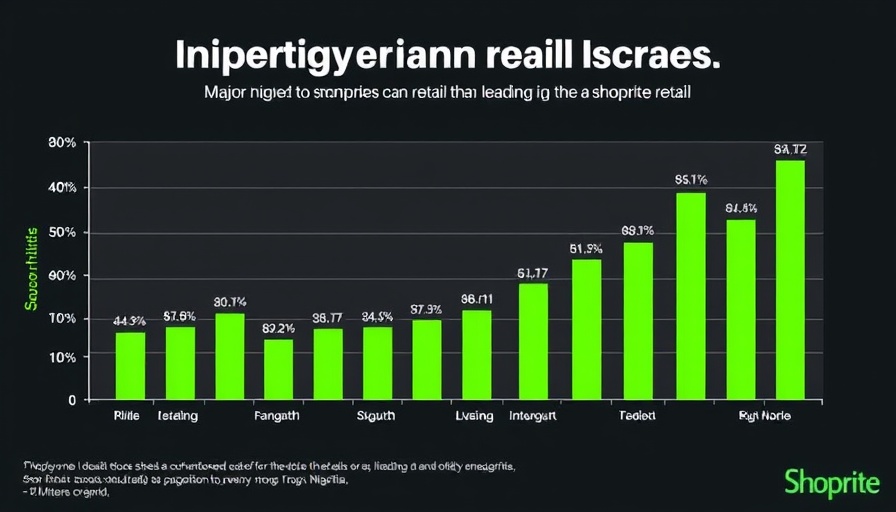
Bar chart of major Nigerian retail stores as of May 2025, illustrating the Nigerian retail revolution.

Marketsquare: A New Era in Nigerian Retail

Shoprite once dominated the grocery market in Nigeria, setting high standards with its expansive malls and modern shopping experience. However, recent challenges, including foreign exchange pressures and decreased consumer purchasing power, have forced the chain to retreat, leaving behind an unmistakable gap in the retail landscape. With Shoprite's departure, a new player has emerged to embrace this void: Marketsquare.

Building Reliability Through Local Insight

Marketsquare has quickly become a household name, expanding its reach across 12 states within a few short years. Unlike its predecessor, Marketsquare opts for a model that integrates directly into communities, favoring visibility and accessibility. Each store not only prioritizes a reliable shopping experience but also offers a diverse range of grocery items, from fresh produce to frozen goods, all within ample retail space.

Redefining Modern Retail in Nigeria

By focusing on local needs and utilizing local sourcing, Marketsquare is carving out a niche that reflects unique consumer insights. The stores embody both local flavors and a consistent shopping experience necessary for urban dwellers. This innovative approach signals a shift in the Nigerian retail sector—moving from aspirational shopping environments to practical, reliable ones.

Trends in African Retail: Lessons from the Oil Sector?

The shift from multinational retailers to indigenous players mirrors what has happened in Nigeria’s oil sector. Just like the local firms took over after the exit of international oil companies, Marketsquare showcases how local entrepreneurs can effectively fill the retail gap and tailor their offerings to meet community needs.

What This Means for Investors and Entrepreneurs

The success of Marketsquare serves as a vital lesson for tech entrepreneurs and investors eyeing the African market. Capitalizing on local intelligence, enhancing customer experience, and navigating regional dynamics can yield promising opportunities. As the digital transformation in Africa unfolds, particularly in sectors like fintech and AI, businesses must learn to leverage local nuances while fostering innovation for sustainable growth.

The Future of African Retail

As Marketsquare continues its rapid expansion, it highlights a broader trend of resilience and innovation in African retail. With Nigeria leading the way, understanding how local operations can thrive amidst challenging conditions presents a promising avenue for sustainable business solutions in the region.

As an entrepreneur or investor, now is the time to explore these emerging trends within African retail and tech, and find your place in this evolving landscape!

Tech & AI Disruptors

11 Views

0 Comments

Write A Comment

*
*
Related Posts All Posts

Unveiling Salary Secrets: How Peercheck Empowers African Professionals

Update Peercheck: A Game Changer for Salary Transparency in Africa Imagine you just received a job offer from a dynamic startup in Nairobi, Kenya, but uncertainty looms about whether the salary meets your needs. The anxiety of uprooting your life without clear information about compensation is a real struggle faced by many young professionals in Africa's evolving job market. Peercheck, a platform founded in 2025, aims to change this narrative by empowering African workers with salary data transparency. Addressing the Secrecy of Salaries Pay secrecy has long been a norm in many African cultures, with individuals often hesitant to disclose their earnings. According to local opinions, discussing salaries can lead to strained relationships. Peercheck breaks this barrier by allowing users to share salary information anonymously. This fosters an environment where employees can gain insights into the salary ranges for their positions, thus empowering them during negotiations. Legislative Changes and Their Impact In South Africa, recent legal changes require companies to disclose salaries in job ads, speaking to a broader trend toward transparency in the continent's job market. Such movements are crucial as they not only enhance accountability but also work to close gender pay gaps. The United Nations' report showing that women in East and Southern Africa earn 21% less than men emphasizes the urgency for initiatives like Peercheck, which can provide crucial data to help quell these disparities. The Structure of Peercheck Peercheck operates on a robust three-layer business model: B2C for professionals, B2B for organizations, and a utilization of Data as a Service (DaaS). Users can anonymously contribute insights about workplace culture, salary, and interviews and, in return, benefit from a wealth of shared knowledge. Companies, on the other hand, can manage their profiles proactively and engage with feedback on their practices. Community-Driven Data Transparency Whereas various enterprises have attempted to address the information gap, Peercheck stands out as a pioneering platform committed to comprehensive data transparency in Africa's labor market. That commitment aims to empower individuals, especially women and young professionals, helping them navigate career transitions confidently and knowledgeably. The Future of Work and Salary Negotiation in Africa As the landscape of work continues to evolve in Africa, tools like Peercheck are crucial. They not only inform salary negotiations but also enhance overall workplace cultures across the continent. Moving forward, a collective push for transparency could redefine the future of work in Africa, marking a significant shift toward equity and fairness. With this transformation in the labor market, it's essential to leverage tools like Peercheck to make informed career decisions. To join the movement and access essential salary information, visit Peercheck.

How MTN Nigeria's Tripling of CAPEX Will Shape Data Services Future

Update MTN Nigeria's Bold Move: Tripling CAPEX Amid Data Demands MTN Nigeria has significantly increased its capital expenditure to an impressive ₦757.4 billion ($527.08 million) in 2025. This remarkable surge illustrates its relentless drive to upgrade infrastructure and respond to soaring demand for data and broadband services across the nation. CEO Karl Toriola emphasized that the company aims to enhance service quality by modernizing its network, thereby aligned with its commitment to both customers and shareholders. Driving Forces Behind the Increased Investment This year’s investment has more than tripled compared to ₦217.6 billion ($151.43 million) in 2024, reflecting a robust uptick in data traffic that surged by 36.3% year-on-year. This trend is largely due to the addition of 3.3 million new active data users, raising the total to 51.1 million subscribers. With average data usage per subscriber increasing by 26.3% to 13.2 GB monthly, it’s clear that consumer habits are evolving, driven by the increasing affordability and accessibility of smartphones. Strategic Infrastructure Enhancements MTN’s ambitious CAPEX plan allocates about 87% of the funds toward growth initiatives, including network expansion and fiber rollout. Approximately $600 to $650 million will be used for building new mobile towers and reinforcing 4G/5G readiness, as well as boosting IT infrastructure and cybersecurity. These enhancements are pivotal for advancing MTN’s capabilities amid rapidly shifting market dynamics. Collaboration and Market Leadership To handle the growing network load, MTN has secured a three-year spectrum lease with T2 Mobile, which allows for national roaming and infrastructure sharing in Nigeria. This partnership is crucial as it underscores the company’s focus on fostering digital inclusion while fulfilling regulatory obligations. Toriola remarked, "This collaboration is a significant step in advancing our digital strategies and expanding our reach." By investing heavily in infrastructure, MTN not only continues to lead in home connectivity but sets a solid foundation for emerging trends like automation and AI in Africa. Conclusion: A Future-Focused Strategy MTN Nigeria’s vast investment in infrastructure not only marks a pivotal moment for the company but also reflects a broader trend within the telecommunications sector striving to meet the immense data demand of modern consumers. With the backdrop of economic uncertainties, such bold investments signify confidence in Nigeria's digital future. As a call to action, understanding this transformative landscape is essential for tech entrepreneurs and investors looking to navigate the burgeoning African tech ecosystem.

Discover How Starlink is Redefining Maritime Connectivity with Fieldbase

Update Revolutionizing Maritime Connectivity with Starlink In the ever-evolving maritime landscape, connectivity is not just an option—it's a lifeline. From oil rigs off the coast to cargo ships navigating open seas, reliable communication systems play a critical role in ensuring safety and operational efficiency. For many years, traditional satellite systems posed limitations that kept maritime operations anchored. However, Fieldbase is transforming this narrative through its integration with Starlink's advanced satellite technology. The Dawn of Reliable Internet at Sea The maritime sector has grappled with slow, high-cost satellite communications. Enter Fieldbase, which has become a pioneering player by introducing Starlink Maritime. Unlike previous systems like VSAT that suffered from latency and bandwidth issues, Starlink utilizes a constellation of low-earth orbit satellites to provide high-speed, low-latency internet access to vessels worldwide. This accessibility is crucial, allowing for real-time data transfer and remote diagnostics that were previously unattainable in open waters. Beyond the Basics: A Complete Digital Ecosystem Fieldbase isn’t just about hardware; it’s about creating a comprehensive digital maritime ecosystem. As a Tier-1 Starlink Partner, Fieldbase provides end-to-end solutions—offering consultation, installation, and ongoing support. Their online e-store simplifies procurement, allowing shipping companies to purchase and schedule service for essential maritime electronics in one place. This approach ensures that businesses can maintain seamless connectivity, enhancing operational uptime and contributing to overall safety. The Future of Maritime Operations: Why Connectivity Matters As vessels increasingly adopt IoT devices and require real-time monitoring, the need for high-quality connectivity skyrockets. Starlink’s capabilities not only facilitate video conferencing and cloud-based analytics but also enable functionalities critical to global supply chains. With Fieldbase leading the way, maritime operators can expect innovations that propel efficiency and bolster the safety of crew members, allowing better communication and family engagement during long voyages. Implications for the African Tech Landscape Fieldbase’s advancements signal a shift toward technological integration across industries in Africa, particularly maritime sectors. As digital transformation takes center stage, this evolution will inspire other African startups focusing on AI, fintech, and blockchain technologies. The success of digitizing marine operations may serve as a blueprint for other sectors in Africa, leveraging similar strategies for efficiency. Client Success Stories: Realizing the Benefits of Connectivity Since Fieldbase began implementing Starlink solutions, numerous clients reported impressive operational improvements. For instance, offshore oil and gas companies now benefit from real-time updates, streamlining logistics and enhancing decision-making processes. The ripple effect of such integration extends beyond individual companies, potentially reshaping supply chains across the continent, showcasing the vibrant innovation capabilities of emerging African tech. As the maritime sector embraces this new digital standard, those interested in the future of work in Africa should watch closely—this could be a transformative moment for various industries.

Terms of Service

Privacy Policy

Core Modal Title

Sorry, no results found

You Might Find These Articles Interesting

T
Please Check Your Email
We Will Be Following Up Shortly
*
*
*