Add Row
Add Element
Add Element
  • Channel
    • VIRTUAL EVENTS BILLBOARD
    • CONFERENCES & CONVENTIONS
    • # THE VORTEX ALTITUDE
  • Featured
    • THE VORTEX VISIONARY VIEW
    • African Changemakers
    • Future of Africa
    • Sustainable Africa
    • Women Vortex
    • Vortex Global Pulse
    • Habitat Trails
    • InterContinental Issues
    • Intracontinental Currents
    • #FUTURE FEATURE INVITATION
May 02.2025
2 Minutes Read

Rwanda's Escort of SADC Troops: A Strategic Move for Regional Stability

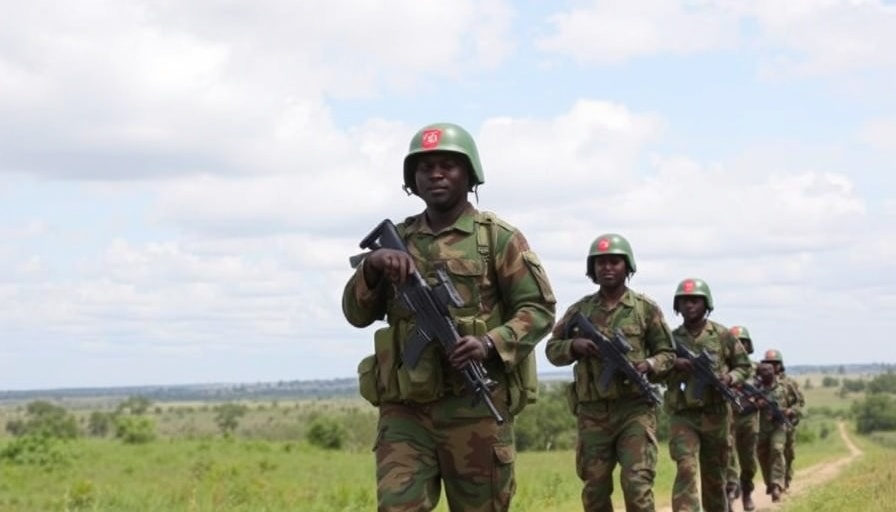
Rwanda army escorts SADC troops from Congo to Tanzania

Rwanda's Strategic Role in SADC Troop Withdrawal

In a region already beleaguered by conflict, the Rwandan military recently facilitated the withdrawal of Southern African Development Community (SADC) troops from eastern Democratic Republic of Congo (DRC) to Tanzania. This maneuver not only underscores Rwanda’s pivotal role in regional security but also raises questions about its long-term strategies and relationships with neighboring countries.

The Backstory: SADC's Intervention and Withdrawal

The SAMIDRC force was deployed in December 2023 to bolster the Congolese government’s fight against insurgents. Rwanda initially protested this deployment, insisting it could worsen instability. Since then, multiple reports have surfaced regarding the effectiveness of SAMIDRC, especially as it struggled amid rising hostilities and clashes—particularly with the M23 rebels, who have since consolidated power in eastern Congo.

Geopolitical Implications for East Africa

Rwanda’s role in escorting SADC troops is emblematic of larger geopolitical tides. As various nations grapple with their influence in Central Africa, Rwanda stands at the intersection, navigating a precarious balance. The Rwandan government’s assertion that SAMIDRC was aligned with opposition movements—which criticized Rwanda's historical involvement in the DRC—further complicates the dynamics of regional diplomacy.

Potential Economic Ramifications

As Rwanda enhances its military credibility on the regional stage, investors and policymakers must pay close attention to the potential economic repercussions. The ongoing unrest threatens not only Congolese communities but also transnational trade routes critical to the African economy. With major players like Tanzania and South Africa involved, the economic fallout from sustained conflict could stymie growth and destabilize financial markets across the continent.

Future Trends and Developing Solutions

Looking ahead, there are calls for a more defined political resolution to lingering tensions in the DRC. Mediation efforts led by Angola and Qatar have yet to yield tangible results, leaving many to wonder how long military involvement can serve as a solution. A bilateral agreement between Congo and Rwanda is on the table, aiming for resolution by early May; however, skepticism remains high.

Conclusion: The Need for Caution and Strategic Thinking

As these developments unfold, the involvement of Rwanda and the broader implications for SADC indicate potential shifts in the regional power dynamics. For business leaders, policymakers, and academics, remaining vigilant and proactive is imperative. Understanding the interconnectivity of these issues will be crucial for leveraging opportunities within the evolving landscape of Africa’s global role.

Future of Africa

11 Views

0 Comments

Write A Comment

*
*
Related Posts All Posts

Discover the Top 50 Under 30 Rising Motherland Moguls: Celebrating Women in Africa Leadership

Update A Call to Honor Africa's Young Female Leaders Across the continent, an empowering movement is blossoming as young women carve out their identities as leaders, entrepreneurs, and innovators. In celebration of this momentum, She Leads Africa has announced the launch of the Top 50 Under 30 Rising Motherland Moguls in honor of International Women’s Day 2025. This initiative aims to spotlight outstanding young African women who are already making a meaningful impact in their communities. Why Celebrating Young Leaders Matters In a society where women often feel pressured to wait until they reach a certain age or level of success before acknowledging their contributions, recognizing young leaders becomes even more vital. Highlighting their journeys fosters validation and visibility, inspiring other young women to pursue leadership with confidence. The initiative counters the narrative that suggests success is a linear journey, illustrating that impact can thrive regardless of age. About the Top 50 Under 30 Initiative The Top 50 Under 30 Rising Motherland Moguls seeks to recognize African women who have demonstrated exceptional talent and attitude in diverse sectors including technology, business, and social innovation. These trailblazers are not just dreaming of a successful future; they are actively creating sustainable businesses, driving solutions to real problems, and elevating their communities. Who Can Be Nominated? The nomination process welcomes contributions from individuals across various industries, whether they are in STEM, media, education, or agriculture. To be eligible, nominees must: Be an African woman under the age of 30 Be either a founder or co-founder of a business Have a business operational for at least five years, showing measurable impact This inclusivity ensures that all impactful voices are celebrated, regardless of their sector. Join the Celebration This initiative invites the wider community to participate in uplifting and recognizing the notable achievements of young women who are challenging the status quo. Nominations can be submitted for yourself or for someone you feel deserves recognition. The deadline is January 30, 2026. By celebrating these rising moguls, we are not merely honoring their stories—we are defining what leadership looks like in Africa today. Let’s support and celebrate the next generation of female leaders who are shaping Africa’s future now, not someday.

Recognizing Women in Africa Leadership: The Top 50 Rising Moguls

Update A Call to Recognize the Bright Future of African Women Leaders As we approach International Women’s Day 2025, it’s time to spotlight the rising stars of Africa—young women who are leading the way in various fields. The Top 50 Under 30 Rising Motherland Moguls initiative, launched by She Leads Africa, aims to honor these exceptional women who are reshaping industries and breaking barriers. This program recognizes African women under 30 who demonstrate extraordinary leadership, innovation, and impact in their careers. Why Celebrating Young Women Leaders Is Crucial Women in Africa continue to face societal expectations that often stifle their ambitions. Too frequently, we are told to wait until we are older or more established before our achievements are celebrated. However, this recognition program addresses that gap by validating the journeys of young women and fostering a supportive network. Highlighting their stories inspires others to pursue their ambitions without hesitation. Empowerment Through Visibility: Changing the Narrative Visibility empowers young women, enabling them to see that they too can lead and create. When role models emerge from diverse backgrounds, they create a tapestry of inspiration for others. Programs like this are particularly vital in a continent where women-led businesses often receive less recognition, despite their contributions to economic growth. Nomination Details: Who Can Be Recognized? Nominees must be African women under 30, demonstrating their leadership through sustainable solutions and community impact. Those who fit this criterion are encouraged to submit nominations by January 30th, 2026. Celebrating these figures serves not just as recognition, but as a call to action for all sectors to elevate women through mentorship and investment in their endeavors. Building a Present and Future of Inclusivity Rather than waiting for societal validation, these women are creating their own opportunities. With every business they launch, they alter the economic landscape. Just as the Forbes Africa 30 Under 30 celebrates innovators who are reshaping sectors, the Top 50 Rising Motherland Moguls will acknowledge those who break the mold of traditional leadership. They’re paving the way for gender equity in Africa, proving that the future is female. Join the Movement: Nominate Young Visionaries Today As we aspire to foster a community of engaged and empowered women, it’s essential to support initiatives that recognize their contributions. If you know an inspiring young woman who is leading decisively in her field, take the time to nominate her. Together, let’s amplify their voices and contributions to build a future that recognizes women’s essential roles in driving change.

How African Women Entrepreneurs Are Breaking Barriers in Online Gaming

Update Exploring the Empowerment of Women Entrepreneurs in Africa As Africa embraces its digital economy, platforms like Alexander Casino are emerging as examples of how women can harness opportunities in sectors traditionally dominated by men. Online gaming and casinos represent a microcosm of the growing presence of women in business, where financial independence and entrepreneurship thrive. This evolution supports a vital narrative: empowering women through financial sustainability and ownership. With the right resources, platforms, and mentorship, women in Africa can significantly influence industries like gaming, tech, and beyond. The Role of Online Casinos in Financial Independence Online casinos, including Alexander Casino, symbolize not just entertainment but also an evolving landscape for female entrepreneurs and players. By leveraging technology, women can participate in financial ventures that were once predominantly male. With bonus systems that encourage user engagement, there's an opportunity for women to generate income while enjoying recreational activities. However, as engaging and profitable as these platforms can be, they also require an understanding of safe gambling practices, underscoring the importance of financial literacy in empowering women. Studies show that women are increasingly seizing financial opportunities, leading to a surge in female-led startups across Africa. Challenges and Opportunities: Navigating the Casino Landscape While platforms like Alexander Casino offer enticing bonuses and gaming experiences, they also present challenges that need addressing, particularly regarding safety and fairness. Understanding these aspects can empower women entrepreneurs to make informed decisions about their involvement in online gaming. It's crucial for players to familiarize themselves with the terms of use, especially in a space where transparency matters immensely. As women navigate this landscape, they can also break the barriers imposed by traditional norms and redefine what it means to be a female entrepreneur in Africa. Environment of Support: Mentorship and Community The growth of women-led businesses in Africa is fueled by mentorship programs and community initiatives designed to uplift women entrepreneurs. Sharing knowledge and experiences within sectors like online gaming can foster a supportive community. For instance, mentoring provides insights that can help women navigate the complexities of online business, develop strategies, and engage with their clients effectively. Programs dedicated to female empowerment are vital in sustaining this community, creating an environment where women can flourish in business endeavors, including those in sectors like digital casinos. With the spotlight on women's empowerment intensifying, it is the perfect time for female entrepreneurs to take ownership of their financial destinies. By participating in sectors like online gaming and harnessing technology, they contribute significantly to the economic growth and transformation of Africa. Join the conversation about empowering women in business. Share your thoughts on how women can continue breaking barriers in sectors like gaming and beyond!

Terms of Service

Privacy Policy

Core Modal Title

Sorry, no results found

You Might Find These Articles Interesting

T
Please Check Your Email
We Will Be Following Up Shortly
*
*
*