Add Row
Add Element
Add Element
  • Channel
    • VIRTUAL EVENTS BILLBOARD
    • CONFERENCES & CONVENTIONS
    • # THE VORTEX ALTITUDE
  • Featured
    • THE VORTEX VISIONARY VIEW
    • African Changemakers
    • Future of Africa
    • Sustainable Africa
    • Women Vortex
    • Vortex Global Pulse
    • Habitat Trails
    • InterContinental Issues
    • Intracontinental Currents
    • #FUTURE FEATURE INVITATION
October 16.2025
2 Minutes Read

Nigeria's Central Bank Champions AI and Crypto for Future Growth

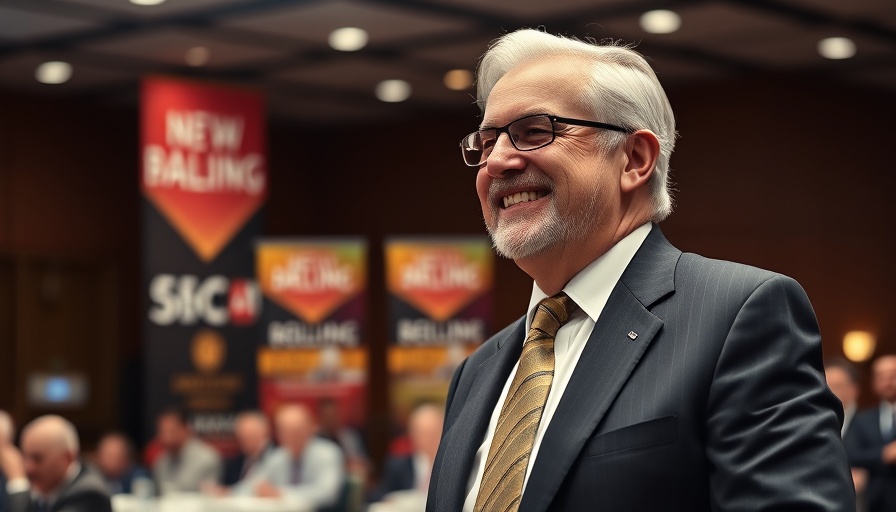
Distinguished older man at business conference discussing AI in Africa.

Nigeria's Central Bank Embraces Innovation

The Central Bank of Nigeria (CBN) is taking a bold step towards integrating cryptocurrency, stablecoins, and artificial intelligence (AI) into its regulatory framework. Governor Olayemi Cardoso announced this at a recent event in London, emphasizing the importance of a balanced and risk-based approach to these innovations. The CBN plans to collaborate with the Nigeria Securities and Exchange Commission (SEC) to create a regulatory system that not only encourages innovation but also protects consumers from unregulated risks.

The Role of AI in Central Banking

Cardoso highlighted that AI will play a pivotal role in enhancing the CBN’s market supervision and data governance. By adopting AI tools, the bank aims to make regulatory processes faster and smarter, reducing human errors and promoting transparency. This aligns with the global trend where technology is reshaping central banking, as mentioned by Dr. Nkiru Balonwu, who believes that embracing technology will bolster the credibility of financial institutions.

Legitimizing Cryptocurrency in Nigeria

With the lifting of a ban on digital assets in December 2023, Nigeria is now focused on establishing clear regulations for cryptocurrency transactions and taxation. While this transition is promising, it’s not without challenges. Reports of police harassment against crypto traders reveal the ongoing societal struggle to fully accept digital assets. However, Cardoso remains optimistic, asserting that a properly regulated crypto market can enhance financial inclusion and potentially stabilize the naira by mitigating uncontrolled dollarization.

Balancing Innovation with Responsibility

The CBN’s initiative is also about ensuring that innovation does not come at the expense of stability. Governor Cardoso stated, “Innovation and stability are complementary, not contradictory,” a sentiment echoed by Professor Hélène Rey, who praised Nigeria’s cautious yet committed stance towards technological advancement in banking. This progressive approach invites tech entrepreneurs and investors to explore opportunities in Africa’s rapidly evolving fintech landscape.

Future Reflections: What This Means for Africa

As Nigeria carves its path toward digital transformation, the implications for entrepreneurs and venture capitalists are significant. Innovations in AI and blockchain are not just limited to Nigeria; they are part of a broader narrative of Africa’s digital evolution. This creates a fertile ground for tech startups looking to disrupt traditional banking and establish new norms in financial systems.

With Cardoso’s remarks underlining the need for responsible innovation, the CBN is setting a remarkable precedent for other central banks across Africa to follow. Stakeholders must engage with these developments to harness the potential of fintech, ensuring that Africa's tech growth continues to thrive while maintaining accountability and ethical standards.

Tech & AI Disruptors

2 Views

0 Comments

Write A Comment

*
*
Related Posts All Posts

How AI in E-commerce is Revolutionizing Jumia's Path to Profitability

Update AI Drives Efficiency in E-CommerceIn the competitive world of e-commerce, Jumia has made headlines with its latest financial results, showcasing how artificial intelligence (AI) is reshaping the industry's operational landscape. E-commerce giant Jumia has reported a remarkable 25.28% increase in revenue for Q3 2025, reflecting a strategic pivot towards AI-driven processes aimed at improving efficiency and reducing operational costs.According to the company, which narrowed its operating loss by 13.43% to $17.4 million, leveraging AI has been pivotal in streamlining workflows across customer service and marketing departments. As CEO Francis Dufay stated, “We continue to strengthen our cost structure and sharpen operational discipline, reinforcing our path toward profitability.” This move toward AI not only enhances productivity but also offers a leaner cost structure, pivotal for startups and businesses in Africa aiming for sustainable growth in a challenging economy.The Cost of Automation: Reducing WorkforcePart of Jumia’s cost-optimisation strategy also involved reducing its workforce by 7%, signaling a shift towards increased automation. As Jumia employs AI systems to handle repetitive tasks, startups in the African market might find this a dual-edged sword. While AI can streamline operations, it poses challenges regarding job security and the need for reskilling the workforce. The transition to automation must be managed carefully, balancing efficiency with human contribution, crucial for customer engagement and service quality.Growth Amidst TransformationJumia's success story— with total orders rising by 34% year-over-year—serves as an essential case study for tech entrepreneurs and investors within Africa's burgeoning tech space. The increase in active customers ordering goods highlights an essential trend: the potential for AI and digital transformation to drive growth. Investors looking to fund African tech startups can draw valuable lessons from Jumia’s approach, particularly regarding the integration of technology and an adaptive business model that meets market demands.Additionally, Jumia's strategies offer insights into future trends, suggesting that other e-commerce platforms could replicate its AI-driven cost-cutting measures. As businesses invest in these technologies, they must also consider the ethical implications of AI deployment and maintain a strong focus on customer experience—a factor that remains paramount in retaining loyal clientele amid fierce competition.Conclusion: The Path to ProfitabilityThe success and hiccups faced by Jumia encapsulate the rapidly evolving narrative at the intersection of AI, e-commerce, and the African market. Companies seeking to thrive in this landscape must not only embrace technological advancements but also craft strategies that ensure long-term sustainability and ethical practices. As Jumia aims for breakeven by the end of 2026, the broader implications of its successes and challenges will undoubtedly shape the future of work and technology in Africa.

Exploring AI in Africa: Kora's Role in Shaping the Future

Update Kora Drives Dialogue on AI in Africa On November 8, 2025, Kora, a prominent fintech infrastructure provider based in Lagos, hosted the second annual Sundown Sessions, themed "AI in Africa: Scaling Beyond the Hype." This dynamic event attracted tech entrepreneurs, investors, and industry leaders passionate about how artificial intelligence (AI) can transform Africa's digital economy. With features such as engaging panels and a keynote from influential figures like Iyin Aboyeji, co-founder of Andela and Flutterwave, the evening sparked essential conversations about the future of AI across the continent. The Potential of AI for African Startups The Sundown Sessions highlighted the transformational potential of AI in various sectors, from finance to agriculture. In one discussion led by Ifeanyi Nwunne and Yinka Ash, panelists emphasized that rather than replacing human creativity, AI serves as a powerful partner that can enhance productivity and innovation. As Ash pointed out, "AI only threatens those who stop innovating." This perspective is essential for startups; leveraging AI can help position them competitively on a global scale. Investment Opportunities in African AI Another key focus of the event was investment in African AI startups. A panel moderated by Rufai Oseni featured investors like Lexi Novitske and Anil Atmaramani, who discussed the countries with the highest potential for AI-driven growth. They identified Nigeria, Egypt, and South Africa as frontrunners. These nations present unique advantages that can accelerate the emergence of a $100 million pure AI company, particularly in consumer applications and infrastructure services. Kora’s Ambitious Vision During the event, Kora unveiled its latest innovation, Kovo, a product that enhances payment processing through instant messaging platforms. Jime Akpusugh, Head of Innovation at Kora, expressed excitement about how Kovo will lower barriers for small businesses, enabling them to access modern financial tools. Kora’s CEO, Dickson Nsofor, further articulated the firm's "AI-first approach," underscoring its commitment to integrating AI into every aspect of its operations while expanding its reach beyond Africa. The Future of AI and Digital Transformation in Africa The Sundown Sessions made it clear that while challenges exist in adopting AI, the opportunities outweigh them. As noted by Nsofor, “Progress happens when technology meets people.” The interplay between AI, fintech, and broader digital transformation will undoubtedly shape the future of work in Africa, fostering innovation and economic growth. These discussions at the Kora Sundown Sessions remind us that African startups can thrive in a rapidly changing environment. By engaging with AI technologies responsibly, businesses can build a future where technology enhances creativity and drives positive social impact. With every session, the narrative around Africa's digital future strengthens, paving the way for a technologically empowered continent.

Will NASD's ₦1.3 Billion Investment Transform Nigeria's Financial Spectrum?

Update NASD's Blockchain Venture: A Game Changer for Nigeria's Financial LandscapeNigeria is on the brink of a transformative financial revolution as NASD's recent valuation of ₦1.3 billion for a 4.35% stake gives us a glimpse into the future of asset tokenization. Purchased by Norrenberger Securities at a remarkable 112% premium, this action signals a strong belief in NASD's innovative plan to democratize investments in sectors currently dominated by the affluent. The exchange’s N-DSP platform aims to tokenize a variety of assets, from real estate to logistics, allowing everyday Nigerians to make fractional investments and redefining ownership for a broader demographic.Unlocking Wealth: How Tokenization WorksTokenization will enable average individuals to access valuable assets that were previously out of reach. Imagine being able to invest as little as ₦10,000 in a lucrative property in Lekki rather than the typical ₦10 million. This fractional ownership model not only allows for immediate settlement through blockchain technology but significantly enhances liquidity in the real estate market.Asset tokenization is essential for Nigeria, where billions are locked away in high-value assets. The infrastructure is now in place, with SEC regulatory approval and a live trading platform launched last year. In a nation where a booming retail investment culture was born in 2025, the role of platforms like NASD is crucial in creating accessible opportunities for participation.The Road Ahead: What’s Next for Tokenization?As we look ahead, the anticipation of NASD announcing tokenized products in the first quarter of 2026 is palpable. Will retail applications emerge that empower young investors to transition from stock trading to real estate? The industry’s momentum is undeniable. Emerging fintech platforms like Bamboo and Chaka have already shown that even the most conventional of markets can be disrupted by innovative financial tools.Addressing the Credibility Gap: Key to SuccessHowever, challenges remain. Nigeria’s tech scene has seen numerous blockchain initiatives falter due to a lack of follow-through. Public transaction volumes are still needed to consolidate faith in tokenization's practicality. NASD's success hinges on its ability to demonstrate meaningful pilot data and transaction volumes that attract even more institutional investment. Observers call this the “credibility gap,” and closing it will be essential to reassure retail investors.Conclusion: A Future Full of PossibilitiesThe ₦1.3 billion investment is not merely a stake in a company; it's an endorsement of Nigeria’s potential in the global fintech landscape. The synergy between emerging technology and regulatory frameworks promises to redefine financial inclusion across the continent. For tech entrepreneurs, investors, and startups, keeping a close watch on NASD's journey may reveal the future of asset tokenization in Africa.

Terms of Service

Privacy Policy

Core Modal Title

Sorry, no results found

You Might Find These Articles Interesting

T
Please Check Your Email
We Will Be Following Up Shortly
*
*
*