Add Row
Add Element
Add Element
  • Channel
    • VIRTUAL EVENTS BILLBOARD
    • CONFERENCES & CONVENTIONS
  • Featured
    • THE VORTEX VISIONARY VIEW
    • African Changemakers
    • Future of Africa
    • Sustainable Africa
    • Women Vortex
    • Vortex Global Pulse
    • Habitat Trails
    • InterContinental Issues
    • Intracontinental Currents
    • #FUTURE FEATURE INVITATION
May 05.2025
2 Minutes Read

How MSMEs Are Pioneering Digital Transformation in Nigeria's Tech Landscape

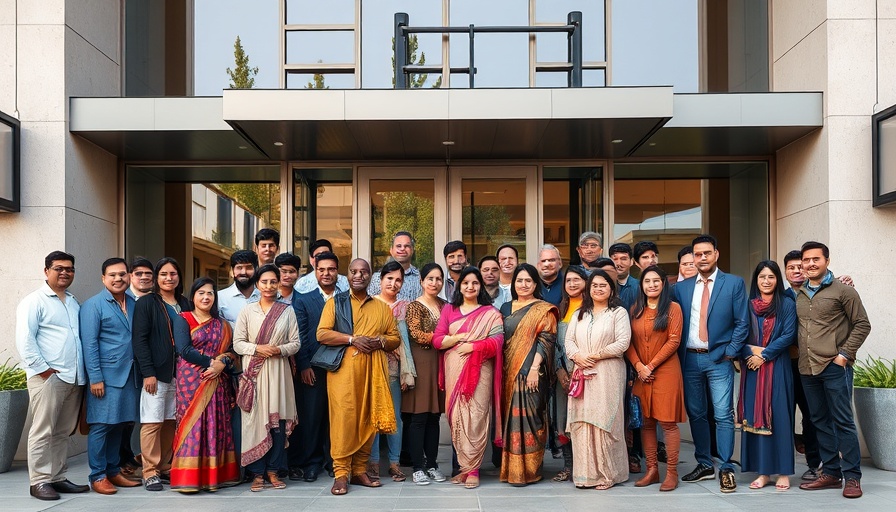
Diverse group photo at digital transformation event in Africa.

Unpacking the Digital Journey of MSMEs in Nigeria

Between March 4 and 21, 2025, the DigiPlus Alliance Digital Innovation Hub, with backing from the European Union and GIZ’s Digital Transformation Center Nigeria, conducted an extensive needs analysis. This initiative aimed to understand the digital transformation landscape for Micro, Small, and Medium Enterprises (MSMEs) across Nigeria, addressing the challenges they face and the opportunities for harnessing technology effectively.

Connecting on a Deeper Level

The DigiPlus Alliance DIH comprises various partners including 8thGear Hub and SMEDAN. By traversing cities like Akure and Ibadan, they engaged with over 280 MSMEs through workshops and discussions. A key takeaway was the importance of language. In five out of six states, communicating in Yoruba enabled deeper, more honest conversations, fostering better connections between the facilitators and entrepreneurs. This insight underlines the significant role of localized communication in driving engagement and understanding.

The Fear of Wasting Resources

Despite the eagerness to adopt technology for business enhancement, MSMEs expressed concerns about the potential loss of time and investment. They are aware of the digital tools available but want to ensure they provide real value. This notion reflects a broader trend among African startups who are cautious about resource allocation in a fast-evolving tech landscape.

Building Trust in Technology

Trust is a recurring theme in the transition to digital platforms. Many business owners voiced apprehensions regarding their data security and the integrity of the platforms they engage with. As they navigate the realm of automation in Africa and other tech trends, establishing confidence will be pivotal for broader adoption.

A Collaborative Future

The insights gathered during this project will help shape future digital solutions and training programs tailored for MSMEs. With the aim of thriving in a digital-first world, these initiatives seek to ensure that entrepreneurs aren't left behind in this technological shift. Stakeholder alignment sessions conducted with government ministries and innovation hubs have opened doors for long-term collaborations, aiming to streamline support structures for MSMEs.

Let us propel our MSMEs forward by not just listening to their needs but actively addressing them. This is not just a beneficial endeavor; it’s essential for the digital transformation of Nigeria’s economy.

Tech & AI Disruptors

11 Views

0 Comments

Write A Comment

*
*
Related Posts All Posts

Smart Choices: Explore the Best Midrange Smartphones Under ₦150,000

Update Affordable Smart Choices in Nigeria's Smartphone Market The smartphone landscape in Nigeria is evolving rapidly, with prices for devices soaring due to inflation and exchange rate fluctuations. Despite this, opportunities abound for consumers seeking quality without breaking the bank, with numerous brands stepping in to offer reliable midrange options. In this guide, we’ll explore a selection of the best smartphones available for under ₦150,000, revealing what makes these devices a smart investment. Rising Above the Price Hike: Midrange Smartphone Options In a world where flagship devices can cost as much as ₦600,000, the midrange category has become a beacon of affordability. Brands like Infinix, Tecno, itel, and Redmi are creating devices that balance price and performance. For example, the Samsung Galaxy A07—available for ₦147,000—features a smooth 90Hz display and promises six years of updates, a feature you rarely find in budget phones. This positions it as an excellent choice for consumers looking for longevity and reliability. Feature-Rich Options that Impress Similarly, the Redmi 15C offers impressive tech with a 6.9-inch 120Hz display and a reliable Helio G81 Ultra processor. With options for up to 8GB of RAM and fast 33W charging, it's a powerful device that meets the demands of today's users. It’s also worth noting that the itel P70, priced between ₦120,000 and ₦140,000, caters to the daily user with features including IP54 splash protection and a substantial 6,000mAh battery. This approach to smartphone development is indicative of a larger trend: affordability does not have to mean compromise on key features. Investment on a Budget: Why This Matters This new wave of midrange smartphones represents a crucial shift in Nigeria's digital economy. Smartphones are increasingly becoming tools for entrepreneurs, students, and young professionals—all eager to leverage technology for business or education. As we witness a digital transformation across Africa, equipping individuals with these affordable devices can empower innovation and spark entrepreneurship. Future of Affordable Tech in Africa The sustained presence of brands like Tecno and Infinix signifies a growing market for accessible smart tech. As tech entrepreneurs and startups shift their focus on AI, fintech, and other innovations, accessible smartphones will be pivotal to driving this change. With growing infrastructure and a population that increasingly relies on digital solutions, now is the time to invest in affordable technology to ensure the next generation of African innovators are properly equipped to thrive. Embracing the future means acknowledging how critical smartphones have become in bridging the digital divide. As the market for midrange smartphones continues to expand, consumers have the power to choose devices that not only serve their immediate needs but also align with broader technological trends, making purchasing decisions that help shape the future.

How Carta's Expansion Is Reshaping Africa’s Private Capital Infrastructure

Update How Carta Is Revolutionizing Africa's Private Capital Market Carta is invading the African market with a promise to reshape the region's private capital landscape. With the recent hiring of Marvin Coleby, the former CEO of Raise, Carta is localizing its product offerings to better suit the needs of smaller startups. As Coleby steps in as head of product for Asia, the Middle East, and Africa, his established connections across the continent will be instrumental in fostering a more robust infrastructure for investment. Local Insight Over Imported Models Rather than duplicating its U.S. approach, Carta emphasizes the importance of localization. According to Bhavik Vashi, managing director for Asia, Africa, and the Middle East, understanding local market dynamics is crucial. “We know how much goes into building software for an underserved market,” he stated, pointing to Coleby’s extensive regional knowledge. The Rise of Local Funding In a promising sign for the African tech scene, local fund managers outpaced foreign investors for the first time this year. With $3.5 billion raised in 2023 and a projected similar figure for 2024, there’s growing optimism. By offering free access to their software for African founders with limited funding, Carta aims to level the playing field for emerging startups, emphasizing that "more financial resources can lead to better data and insights." Empowering Startups Through Data One of the core strategies of Carta’s approach in Africa is to provide accurate data, which is crucial for attracting foreign investment. Previous challenges included a lack of reliable data, hampering venture capital growth. Venture capitalist Taiwo Obasan noted, “Accurate data means models with local nuances, which translates into greater investor confidence.” As Carta collects and reports on data specific to Africa, it could significantly alter how investors perceive and engage with the continent. The Future of African Tech Ventures As the African startup ecosystem continues to uncover fresh opportunities, the infusion of Carta's technology heralds a new era of potential. With initiatives like tailored reports based on localized data, more entrepreneurs may find pathways to success as they navigate their growth journeys. Investors focusing on AI in Africa, fintech, blockchain, and automation will surely keep a keen eye on the developments sparked by Carta’s strategies. In summary, with its commitment to enhance Africa's private capital ecosystem, Carta's expansion represents a significant step towards unlocking the continent's vast potential for innovation and transformation.

How DebtRecuva is Transforming Loan Recovery with Empathy in Nigeria

Update Redefining Debt Recovery: A Shift Toward Empathy Debt collection in Nigeria often evokes images of intimidation and harassment, causing immense stress for borrowers. However, a paradigm shift is unfolding as startups like DebtRecuva take a bold stance towards recovery by focusing on empathy rather than coercion. Founded by Peace Obule and Gafar Iyowu, DebtRecuva addresses the need for a respectful and tech-driven approach to debt recovery that caters to the diverse circumstances of debtors. The Birth of a New Approach Emerging from frustration with traditional methods, the founders started DebtRecuva with a simple vision: to treat debtors as customers rather than criminals. Utilizing technology and a deeper understanding of individual circumstances, they categorize debtors based on their willingness and ability to pay. This nuanced approach offers both reassurance to interested borrowers and actionable insights for restructuring repayments. Drawing Lessons from the Past Historically, the Nigerian debt recovery process has included unethical measures like shaming defaulters—a strategy that drew criticism and regulatory intervention. As highlighted by Tinashe Kaseke, a prominent advocate for ethical debt recovery practices, integrating empathy at every touchpoint not only enhances recovery rates but also fosters cooperation. DebtRecuva embodies this principle by adopting respectful collection tactics and empowering clients through financial education. Impacts on Financial Inclusion One of the most significant benefits of this empathetic approach is the potential for improved financial inclusion. When borrowers are treated with dignity and respect, they are more likely to engage constructively, thereby reducing reliance on informal borrowing channels with predatory interest rates. By prioritizing humane recovery strategies, companies ensure that borrowers can reconstruct their credit histories and regain control over their financial futures. The Future of Debt Recovery in Africa As we look toward the future, the blend of technology and compassion is becoming increasingly important in the fintech sector. Companies like DebtRecuva and Mida Technologies are proving that an ethical approach can lead to higher recovery rates and sustainable practices. Furthermore, with the regulatory landscape leaning toward stricter compliance, lenders who embrace tech and empathy will not only protect their reputations but also stay ahead in the competitive landscape of African fintech. This evolution in debt collection raises a vital question: Could we see a new norm emerge where empathy leads not only to better recovery rates but also to stronger relationships between lenders and borrowers? As Nigeria's tech ecosystem matures, initiatives that blend innovation with ethical standards will be pivotal in shaping a healthier financial future. In a rapidly digitalizing economy, the ethical dimensions of debt recovery cannot be sidelined. Embracing technology alongside compassion marks a critical step forward, creating pathways for recovery that are both effective and respectful. Together, as tech entrepreneurs and financial leaders, we can foster a robust and equitable lending culture that benefits all.

Terms of Service

Privacy Policy

Core Modal Title

Sorry, no results found

You Might Find These Articles Interesting

T
Please Check Your Email
We Will Be Following Up Shortly
*
*
*