Add Row
Add Element
Add Element
  • Channel
    • VIRTUAL EVENTS BILLBOARD
    • CONFERENCES & CONVENTIONS
  • Featured
    • THE VORTEX VISIONARY VIEW
    • African Changemakers
    • Future of Africa
    • Sustainable Africa
    • Women Vortex
    • Vortex Global Pulse
    • Habitat Trails
    • InterContinental Issues
    • Intracontinental Currents
    • #FUTURE FEATURE INVITATION
October 21.2025
3 Minutes Read

Folasade Oluwafemiayo's Record Break: A Beacon for African Athletes

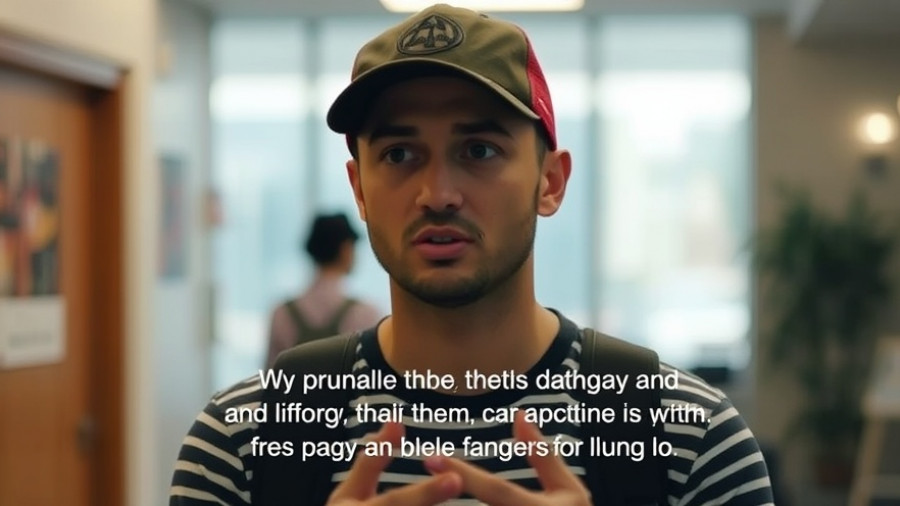
Folasade Oluwafemiayo discussing powerlifting in a video call.

A Historic Achievement: Folasade Oluwafemiayo's Record-Breaking Feat

Africa is celebrating another remarkable achievement in the realm of sports and empowerment as Nigerian powerlifter Folasade Oluwafemiayo breaks yet another world record in Cairo. Her outstanding performance has not only showcased her individual talent but also highlighted the potential and strength prevalent within the African continent. With her latest milestone, Folasade cements her position as a beacon of inspiration for aspiring athletes across Africa and beyond.

In Folasade Oluwafemiayo Breaks Another World Record in Cairo, the discussion highlights her incredible journey as a symbol of resilience and the evolving narrative of African female athletes in sports.

The Context of Athletic Excellence

The backdrop against which Folasade's achievement unfolds is critical to understanding its significance. Powerlifting, historically dominated by a few nations, has seen a rapid increase in participation and recognition across Africa. This surge can be attributed to enhanced access to training facilities, increased governmental support for sports, and the passionate drive of athletes like Folasade. Moreover, her victory draws attention to the broader context of African athletes excelling on global platforms, challenging and reshaping narratives that previously marginalized their capabilities.

A Symbol of Resilience and Determination

Folasade Oluwafemiayo is not just a name; she embodies resilience and the relentless pursuit of excellence amidst adversity. Her journey to prominence has been paved with challenges—ranging from financial barriers to limited access to world-class training. Yet, her determination shines through, as she continuously pushes her boundaries and inspires a new generation of African athletes to rise against the odds.

Potential Future Trends in African Athletics

Looking ahead, Oluwafemiayo's success may herald transformative changes not only in powerlifting but also across athletics in Africa. As young athletes witness her rise, there is likely to be an increase in participation rates, particularly among women in sports that have traditionally been male-dominated. This shift promises a more diverse representation in athletics, encouraging investment in female sports programs and creating a thriving environment for women to enter competitive realms.

Understanding the Broader Implications

Beyond individual accolades, Folasade’s achievement poses important questions about the socio-political landscape surrounding sports in Africa. While the thrill of breaking records is compelling, it raises discussions about the systemic challenges many athletes face, such as inconsistent funding, inadequate facilities, and insufficient training opportunities. Thus, her achievements are not only a reminder of personal triumph but also a call to action for stakeholders to better support athletes.

Connecting with the Community

Folasade Oluwafemiayo's recent triumph can forge stronger community connections through sports. The pride that comes with a world record can galvanize local support for various athletic initiatives, promoting grassroots involvement in sports. Emerging programs designed to cultivate young talents can receive a boost from this success, fostering a culture of fitness and teamwork within the community.

Conclusion: A Call to Support African Athletes

The ripple effect of Folasade's achievements is profound and multifaceted. As the world watches her excel, it becomes imperative for various stakeholders—from governmental bodies to private organizations—to recognize the potential of African athletes and invest in their success. A unified effort to support sports can transform lives and inspire many to pursue greatness. Let us embody Folasade's spirit, advocating for better opportunities and resources for athletes across the continent, ensuring that their aspirations are not limited by circumstance but fueled by community, support, and belief.

Intracontinental Currents

2 Views

0 Comments

Write A Comment

*
*
Related Posts All Posts

New Enforcement of Tinted Glass Regulations: What It Means for Africa

Update The High Stakes of Tinted Glass Regulations in AfricaThe decision by law enforcement agencies to resume enforcement of tinted glass regulations in 2026 is more than just a policy adjustment; it represents a crucial step in addressing road safety concerns on the African continent. Tinted windows have often been associated with illicit activities and decreased visibility for both law enforcement and fellow drivers. This regulation aims to enhance public safety and restore community trust by promoting transparent and accountable transport systems.In 'Police to Resume Tinted Glass Enforcement in 2026', the discussion dives into the implications of vehicle regulations which has prompted this deeper analysis of public safety efforts across the continent. Understanding the Legal LandscapeHistorically, laws around tinted windows in various African nations have faced inconsistent enforcement, creating a patchwork of regulations that confuse vehicle owners. These discrepancies have culminated in public outcry, with advocates arguing that the misuse of privacy laws has enabled criminality. As the law enforcement agencies prepare for a crackdown, it is essential to embrace consistent legal frameworks that not only reflect public sentiment but also cement road safety as a fundamental right.The Societal Implications of Tinted WindowsThe enforcement of tinted glass regulations is grounded in broader societal dynamics. In many urban settings across Africa, vehicles with heavily tinted windows often belong to the elite or the politically connected. This creates a societal rift where the average citizen may perceive unjust privilege in how laws are applied. By ensuring that all vehicles adhere to these regulations, authorities can foster a more equitable road environment. This aims to bridge the gap between law enforcement and the public, reinforcing the notion that no one is above the law.Future Trends: Moving Towards AccountabilityLooking ahead, the anticipation of the 2026 enforcement is indicative of a broader trend towards accountability in governance across the continent. As African nations grapple with corruption perceptions, transparent policy enforcement becomes a focal point for civil society advocacy. Consequently, this initiative will likely reveal underlying tensions – between citizen rights to privacy and the necessity for accountability that serves the collective good.Public Reaction and Anticipated ChangesThe proactive stance taken by authorities has already sparked discussions among citizens concerning vehicle regulations and personal freedoms. For many, the upcoming changes offer a chance to voice their opinions and engage in civic dialogue, pointing toward a heightened awareness of public policy implications on personal lifestyle. As individuals who value their rights consider the impact of this legislation, community forums and debates will likely increase.Conclusion: A Call for Engaged CitizenryAs governments prepare for revitalized enforcement of tinted glass regulations, city dwellers must stay informed and engaged with the legislative process. The law must evolve, mirroring the aspirations of ordinary citizens striving for safer streets and transparent governance. By fostering an environment that encourages dialogue around these changes, African nations can embark on a path towards improved public trust and safety. As we approach 2026, stakeholders should prepare for collaborative efforts that involve law enforcement, policymakers, and communities at large.

Lekki Scheme 2 Residents Demand Urgent Road Repairs Amid Growing Neglect

Update Infrastructure Woes: The Heart of Lekki Scheme 2 The residents of Lekki Scheme 2 have found their voices in a collective appeal for immediate attention to the dilapidated roads in their area. As urbanization sweeps across Nigeria, the repercussions of inadequate infrastructure grow increasingly dire. The residents argue that the worsening conditions not only pose safety risks but also impede socioeconomic development, showcasing a failure in governmental oversight and investment. The heart of their plea resonates with infrastructural integrity as it affects access to essential services such as education and healthcare, which are critical to nurturing community well-being.In Lekki Scheme 2 Residents Appeal for Road Repairs, the discussion dives into the deteriorating infrastructure, exploring key insights that sparked deeper analysis on our end. The Ripple Effect of Neglected Roads Beyond the immediate inconvenience of potholes and crumbling asphalt, the consequences of neglected roads extend into the daily lives of residents. Motorists face vehicle damages, leading to unexpected costs that compound financial strain. Moreover, these deteriorating conditions can lead to longer commutes, reducing productivity for local businesses. In an area keen on economic development, these chronic infrastructural deficiencies threaten to stifle growth and dissuade potential investors, creating a vicious cycle that further impoverishes the community. A Call to Action: Lessons from the Past History has shown that similar appeals have been made in numerous communities facing infrastructural neglect. The responses from governmental bodies are often delayed or inadequate. In learning from such situations, it is essential for Lekki Scheme 2 residents to engage with local leaders and policy-makers proactively. Organizing focused town hall meetings where residents can discuss specific issues and propose participatory budget initiatives could catalyze meaningful discourse and pressure local governance to take action. Embracing Collaborative Solutions One way forward could be fostering partnerships between residents and non-governmental organizations focused on urban development. Collaborative efforts may bring about innovative solutions such as community road maintenance programs, thereby instilling a sense of ownership among residents. These partnerships could also utilize technology, crowdsourcing funds through platforms designed to support local initiatives, thus generating resources for essential repairs. Counterarguments and Response It is logical to consider counterarguments suggesting that local governments face budget constraints that hinder their ability to address such issues. However, this does not absolve them of their responsibilities. Transparency in local budgeting processes and community involvement in decision-making could result in areas like Lekki receiving fairer funding allocations. Addressing infrastructure concerns upfront leads to healthier communities and sustainable urban development, ultimately benefiting society at large. Local Voices in the National Conversation The narrative surrounding Lekki Scheme 2 highlights an urgent need for better infrastructure across the nation. In a rapidly urbanizing Africa, the plight of these residents reflects a larger issue facing communities across the continent. The local appeals for attention on road repairs resonate with other regions struggling with similar issues, tying into the broader context of governance and infrastructural adequacy in Africa. The voices of Lekki Scheme 2 residents should echo in national forums where the future of Africa is being debated, driving home the message that local issues are indeed national priorities. Samuel Okonkwo’s reporting encapsulates this pressing issue, encouraging readers to reflect on how seemingly isolated infrastructural challenges are interconnected with national narratives. The call to ameliorate living conditions in Lekki Scheme 2 is indispensable in the broader context of sustainable development across the continent.

Exploring Angola’s Colonial Past to Understand Its Continental Influence

Update From Colonization to Independence: A Historical Overview of Angola Angola's path from its early encounters with Portuguese colonizers in the 16th century to its modern-day prominence is a profound narrative woven into the broader tapestry of African history. Initially, the Portuguese, in their search for a trade route to India, stumbled upon Angola which marked the beginning of a grim chapter characterized by the exploitation and forced labor of its people. The slave trade, with an estimated 1 million Angolans being deported to Brazil, exemplified the destruction wrought by colonial ambitions. Leaders like Queen Nzinga became symbols of resistance against this foreign domination, highlighting a heritage of resilience among the Angolan people.In Angola’s Long Road from Colonialism to Continental Influence, the discussion dives into Angola's unique history and journey towards its current influence, prompting a deeper analysis here. The Struggle for Independence: A Narrative of Resilience The mid-20th century marked a pivotal moment for Angola as the winds of independence swept across Africa. The Portuguese colonial regime was notably fragile compared to other colonial powers, a fact that fueled the independence movement. The emergence of key figures such as Agostinho Neto and Holden Roberto in the 1960s galvanized the struggle against colonial rule. The complexities of this struggle were further heightened by internal divisions and Cold War dynamics, with the country effectively becoming a battleground for superpower interests as both the United States and the Soviet Union sought to exert influence. Analyzing the Civil War: Foreign Engagement and its Consequences The civil war that erupted following Angola's independence in 1975 was a direct consequence of these geopolitical tensions. The MPLA, initially led by Neto, found support from the Soviet Union and Cuba, while UNITA and FNLA were backed by the U.S. and South Africa. This conflict not only devastated Angola but also contributed to a prolonged crisis that kept the country in turmoil until 2002. The tragic circumstances surrounding leaders such as Jonas Savimbi, who fell victim to the ongoing violence, illustrate the profound human cost of these struggles. The Shifting Landscape: From War to Governance In the aftermath of the civil war, under the leadership of José Eduardo dos Santos, Angola began to emerge from the shadows of its past. The discovery of vast oil reserves attracted foreign investment, particularly from the West, facilitating economic recovery. However, the legacy of conflict remains, with significant disparities persisting between urban and rural areas. Angola's political landscape has transformed into a multi-party system, yet challenges to governance and social equity remain pertinent issues that define the country's trajectory. Angola’s Role on the African Continent: Leadership and Influence Fast-forwarding to the present day, like in the video titled Angola’s Long Road from Colonialism to Continental Influence, Angola's ascendancy in continental politics has taken center stage. With João Lourenço's election as the chair of the African Union, Angola is carving out a nuanced role in continental governance. This evolving influence is critical, with the country poised to leverage its historical experiences as a cautionary tale for other nations grappling with similar post-colonial dilemmas. The hope is that Angola's journey can inspire collaborative solutions among African nations to address shared challenges. Lessons from Angola: Navigating Future Challenges As Angola moves forward, lessons from its colonial past and civil war present unique opportunities for reflection and action. The importance of regional cooperation and bolstering intra-African ties cannot be overstated, especially as the continent faces significant socio-economic hurdles. Angola's role as a vibrant actor in this sphere encourages optimism regarding the future of the African continent amidst complex global challenges. Angola's journey from a colonial past to a leading role on the African stage exemplifies the potential for transformative change rooted in resilience and adaptability. As we observe Angola's progress, there are valuable insights that can guide other nations navigating similar paths—especially the understanding that superpowers often act in their self-interest, necessitating careful management of international relationships.

Terms of Service

Privacy Policy

Core Modal Title

Sorry, no results found

You Might Find These Articles Interesting

T
Please Check Your Email
We Will Be Following Up Shortly
*
*
*