Add Row
Add Element
Add Element
  • Channel
    • VIRTUAL EVENTS BILLBOARD
    • CONFERENCES & CONVENTIONS
  • Featured
    • THE VORTEX VISIONARY VIEW
    • African Changemakers
    • Future of Africa
    • Sustainable Africa
    • Women Vortex
    • Vortex Global Pulse
    • Habitat Trails
    • InterContinental Issues
    • Intracontinental Currents
    • #FUTURE FEATURE INVITATION
May 31.2025
3 Minutes Read

Exploring the Aftermath of Rano DPO Killing: A Community in Crisis

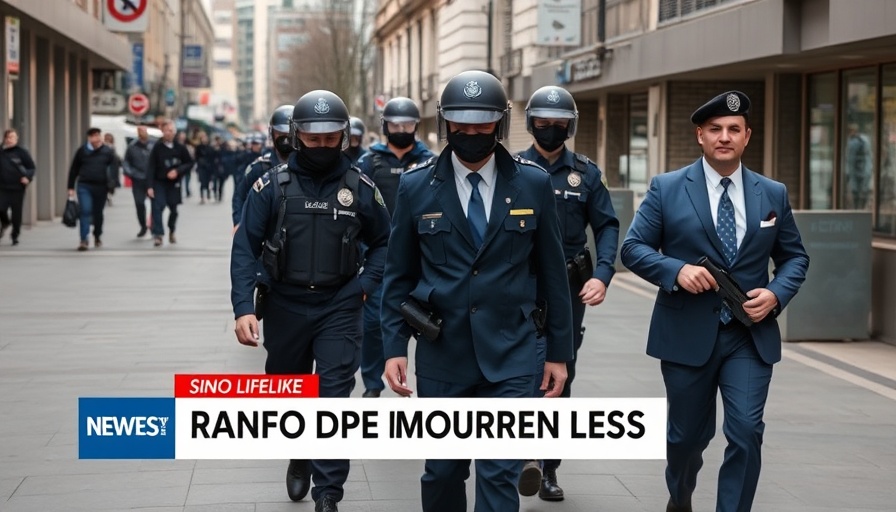
Police officers in urban area with news reporting Rano DPO Killing.

The Rising Tide of Violence and Injustice in Nigeria

The tragic killing of Divisional Police Officer (DPO) Baba Ali in the Renault division encapsulates a deeper, troubling narrative of law enforcement, community relations, and systemic injustice prevalent in Nigeria. This incident, which has resulted in the arrest of 41 suspects, reflects not only the tensions in the community but also the desperate need for reform in the police force—a call echoed by many outraged citizens.

In Rano DPO Killing: 41 Suspects Arrested, tensions run high following the tragic death of a community officer, prompting a deeper analysis on the implications for police-community relations.

A Snapshot of Community Outrage

As the community reels from the shocking death of Officer Ali, the rapid mobilization of armored police vehicles and heavily armed forces serves to amplify fears rather than alleviate them. Many community members voice their concerns that police actions are perceived as intimidation rather than protection, creating an environment ripe for further disorder. Reports describe how the police’s efforts to secure the area have led to the oppression of local youth, further straining the fabric of trust between citizens and law enforcement agents.

Investigations: A Deeper Look into Officer Ali's History

Insight into Officer Ali’s previous engagements reveals serious allegations of ruthless conduct during his time in service. Eyewitness accounts point to a history of abuses, including allegations of torturing suspects before they received due process. This background raises essential questions on whether his death could be a case of poetic justice—a form of nemesis for his reported tyranny in other states like Kaduna and Bauchi. The community has voiced strong emotions, framing Ali as a divisive figure rather than a protector.

The Consequences of Mass Arrests

The arrest of 41 suspects, a number that quickly escalated from an initial count of 27, emphasizes a heavy-handed approach by the police. Critics argue that such measures not only fail to account for actual culpability but also risk alienating innocent members of the community, particularly youth who are now viewed with suspicion. The assertion that the police will maintain their presence for an extended period, causing continued anxiety and unrest, highlights the potential for retaliation and increased violence if community grievances are left unaddressed.

Implications on Governance and Law Enforcement

While the community seeks justice following Officer Ali’s death, the situation is symptomatic of a broader crisis where law enforcement operates above the citizenry's expectations of fairness and accountability. The actions of the police must be scrutinized as they risk perpetuating cycles of violence rather than resolving them. This toxic relationship undermines the foundational principles of policing, which are meant to protect and serve the populace.

The Need for Systemic Change

The killing of Baba Ali and the harsh response by the police serve as a potent reminder that with every action, a reaction follows. Restructuring how law enforcement interacts with communities is critical. Experts recommend implementing community policing strategies that engage citizens, rather than isolating and intimidating them. Such initiatives could help rebuild trust and encourage cooperative efforts to enhance community safety.

Conclusion: A Call for Justice and Reform

This unfolding narrative illustrates the challenges facing Nigeria's law enforcement and the urgent need for reform. As citizens demand answers, transparency in investigations and police conduct must be a priority. Without addressing the root causes of discontent and fostering accountable governance, Nigeria risks further descent into chaos. The country stands at a crossroads, with the opportunity to redefine the relationship between police forces and the communities they serve, ensuring justice, safety, and dignity for all its citizens.

Intracontinental Currents

11 Views

0 Comments

Write A Comment

*
*
Related Posts All Posts

Exploring Nigeria’s 2025 Political Landscape: Trust, Reforms, and Power

Update Analyzing Nigeria’s Political Climate: Insights from 2025 The year 2025 proved to be a pivotal moment in Nigeria's political journey, as the challenges faced by the Tinubu administration brought public trust and governance to the forefront of national discourse. The unfolding events tested not only the efficacy of reforms but also the resilience of public sentiment against a backdrop of crisis in Rivers State, discussions of electoral shifts, and the promises of foreign investors seeking opportunities in a turbulent landscape.In 2025 Political Review: Power, Reforms and Public Trust, the discussion highlights Nigeria's evolving political climate amidst significant challenges, spurring a detailed analysis of the implications for its future. Power Dynamics and Public Sentiment: A Troubling Intersection As the government grappled with the rising costs of living and pervasive insecurity, public resistance to proposed reforms unveiled a rift between leadership intentions and citizen needs. The political analysts Devoe Okorie and Segun Sopitan noted that discussions around the potential rescheduling of elections from 2027 to 2026 epitomize the government's struggle to synch public expectations with strategic governance. In this delicate dance, the intention of governance hung in the balance, with rising dissatisfaction frequently surfacing across social media platforms and public forums. The Impact of Political Defections: What Loyalty Revealed Political defections within Nigeria's legislative body illustrated the shifting allegiances that define political landscapes in times of uncertainty. These shifts were indicative of deeper ideological divides that prompted questions about loyalty to both party and country. With opposition figures aligning with the ruling party, the implications for democratic stability became a point of contention among citizens who regarded these movements with skepticism, monitoring whether these changes would translate into tangible benefits for the populace or merely serve the ambitions of a few. 2025: A True Litmus Test for Governance Nigeria's experience in 2025 is not just about power changes; it served as a litmus test for governance in Africa. Reports indicate that despite bold promises from both local politicians and foreign investors, the essential issues — economic hardship, corruption, and security — remained largely unaddressed. The public's evolving perception of governmental response is critical; as citizens look towards elections, their understanding of what constitutes effective governance will shape their votes and engagement over the coming years. Predictions for the Future: Can Trust Be Restored? As Nigeria heads towards the anticipated elections in 2026, the question of restoring public trust in its government is paramount. Analysts suggest that the lessons learned in 2025 regarding the public's reaction to governance struggles will need to be reconciled with a credible path forward. To mobilize public support and alleviate growing tensions, it is crucial for leaders to demonstrate transparency, accountability, and a genuine commitment to policies that directly address citizens' concerns. The Importance of Public Engagement in Shaping Future Policies Public trust does not simply emerge from governmental declarations of policy; it must be actively cultivated through sustained engagement with citizens. Reforms should be framed as dialogue rather than unilateral decisions, ensuring that individuals feel their voices contribute to the shaping of their own futures. Analysts underscore the importance of initiatives that prioritize community involvement, recognizing that addressing foundational issues — such as utilities, health care, and education — is imperative for garnering widespread support. Reflecting on the political sentiments captured in the discourse surrounding the video, 2025 Political Review: Power, Reforms and Public Trust, we continue to unravel critical insights into how Nigeria's governance landscape is evolving as it prepares for what lies ahead. Observing these developments provides not only a window into Nigeria's immediate future but also highlights the lessons that can empower similar governance discussions across the African continent.

Scrutinizing US-Nigeria Airstrikes: Understanding Civilian Impact and Concerns

Update US-Nigeria Airstrikes: A Controversial Outcome The recent airstrikes carried out by the United States in Nigeria, specifically in Sokoto State on Christmas Day, have sparked a wave of questions about the efficacy and ethics of military intervention in foreign nations. While US officials hailed the operation as a tactical success, many locals and journalists are raising alarms about the strikes' actual targets and the consequences on civilian life.In Did the U.S. Airstrike Miss Its Target in Nigeria?, the discussion dives into these controversial airstrikes, exploring key insights that sparked deeper analysis on our end. What Went Wrong? Targeting Accuracy Under Scrutiny Reports coming from the ground indicate that several bombs fell in open farmlands rather than on legitimate military targets. These strikes have drawn significant criticism and concern among residents, leading many to wonder how intelligence assessments were conducted. Was there a gross misunderstanding of insurgent activities in the region? Or were the outcomes of the strikes a simple case of poor targeting accuracy? One unexploded bomb found on a farm serves as a stark reminder of the operational failings that can result in unintended collateral damage, raising ethical implications about future engagements. Community Safety and Sovereignty: Key Concerns Surface The issue is not just the physical damage caused, but the potential psychological toll on these local communities. With reports of civilian casualties and property destruction, concerns regarding Nigeria's sovereignty are heightened. Young people in Tangaza and surrounding areas express their fears of living under a foreign military's shadow, unsure of the next airstrike and its repercussions. These fears illuminate a broader discontent with international interference in national affairs, often warranting considerations beyond military efficacy. Understanding Local Implications of Global Actions For citizens in affected regions, the implications of US military operations go beyond immediate harm; they ignite discussions around national identity and local governance. Residents highlight that their areas had not seen any notable insurgent activity recently, bringing further questions about why they are being subjected to such military actions. This discontent underlines a gap between the narrative provided by US officials and the reality experienced by citizens. The Bigger Picture: Impacts on US-Nigeria Relations The repercussions of these airstrikes stretch into the future of US-Nigeria relations. Trust issues arise when local populations perceive an imbalance in military intervention decision-making, leaving them feeling unrepresented. Active citizen engagement is essential in shaping future security collaborations; without it, both the US and Nigeria risk long-term backlash that may compromise their partnership. Future engagements should prioritize dialogue and cooperation to ensure efforts align more closely with community needs and realities. The Contrast Between Operational Success and Civilian Experience The dichotomy between official statements of success and the reports from those on the ground paints a troubling picture. As US officials may regard the strikes as successful due to strategic military outcomes, the impacted communities perceive significant costs. The resulting civilian injuries and property damage incite questions about the justifications for airstrikes—trading military strategies against the emotional toll on innocent bystanders raises moral dilemmas. Conclusion: Charting a More Responsible Path Ultimately, navigating these military actions requires a balance of strategic interests and humanitarian considerations. To foster a positive relationship between the US and Nigeria, it is essential that future military operations incorporate local intelligence that reflects the realities on the ground. A focus on diplomacy, awareness, and respect towards affected communities can better ensure the safety of civilians while ensuring that national security interests are upheld. In light of these insights, it's imperative for decision-makers to reconsider how military strategies are implemented in foreign territories, taking comprehensive approaches involving local stakeholders to assure community welfare.”

Celebrating Resilience: Christmas in Lagos Despite Economic Pressures

Update Celebrating Resilience: Christmas in Lagos Amid Economic Strain As Christmas in Lagos approaches, residents look forward to a season that transcends mere celebration—it's a manifestation of resilience and tradition. The festive period embodies not just the spirit of togetherness but also the challenge of navigating economic constraints that many families face this year.In 'Christmas in Lagos: Travel, Family and Celebration Despite Economic Pressure', the discussion dives into how Nigerians are celebrating the festive period amid economic realities, exploring key insights that sparked deeper analysis on our end. The Unyielding Spirit of Community For many Nigerians, Christmas represents a unique moment in the calendar. It is a time for long-anticipated family reunions, joyous gatherings, and shared meals. This year, however, citizens echo a sentiment of cautious optimism, as the holiday season unfolds against a backdrop of economic uncertainty. The high cost of living has led many to opt for scaled-down celebrations, yet the focus remains on cherishing the moments shared with loved ones. Scaling Back but Not Giving Up Interviews with Lagos residents reveal the various ways families are adapting to current realities. Instead of lavish feasts, many are emphasizing simpler meals and local cuisines that require fewer resources but still celebrate the essence of the season. Families are coming together to share stories and laughter, ultimately reinforcing the fabric of community that these gatherings represent. This adaptability illustrates a deep-rooted cultural tenacity, one that has empowered people to relish the season's joys with profound gratitude. A Glimpse of Hope Through Togetherness While individuals and families may be facing challenges, the spirit of Christmas remains a source of hope. Across the city, many have found solace in collective experiences, from community events to church services that resonate with shared faith and purpose. The importance of maintaining these traditions is heightened during tough economic times, serving as a reminder of the community's capacity for unity and support. Economic Pressures: A Reality Check The economic landscape in Nigeria has imposed significant challenges, reshaping the way Christmas is experienced. Inflation and fluctuating pricing have led to ponderings about sustainability and long-term planning, particularly as families strive to manage resources effectively. This year's festive season highlights how economic currents flow through personal choices, reshaping values and priorities. The Cultural Significance of Christmas Christmas in Lagos does not solely hinge on material displays but values human connections that foster belonging. As families gather, exchanging gifts may take a backseat to shared laughter, nostalgia, and traditions that range from carol-singing to communal prayers. This shift towards valuing experiences rather than things showcases a cultural resilience that reflects broader societal teachings about gratitude and hope. Looking Beyond Christmas: What Comes Next? As Christmas in Lagos draws near, there's a palpable sense of anticipation. The spirit of the season builders bridges and nurtures the cultural identity that binds people together. This resilience might serve not just as a temporary measure but as a lasting shift toward more meaningful celebrations in the future. The communal bonds forged in times of adversity set a precedent for collective strength and unity, leaving a legacy for generations to come. In conclusion, as citizens of Lagos prepare for Christmas amidst economic pressures, the blend of resilience, hope, and community underscores a narrative larger than the holiday itself. The conversations surrounding this festive period reveal a cultural heartbeat that thrives regardless of the storms faced, reinforcing the notion that togetherness is a true gift.For further insights and perspectives on African cultural practices and national events, stay tuned to our coverage, where we delve into the stories that resonate across borders.

Terms of Service

Privacy Policy

Core Modal Title

Sorry, no results found

You Might Find These Articles Interesting

T
Please Check Your Email
We Will Be Following Up Shortly
*
*
*