Add Row
Add Element
Add Element
  • Channel
    • VIRTUAL EVENTS BILLBOARD
    • CONFERENCES & CONVENTIONS
  • Featured
    • THE VORTEX VISIONARY VIEW
    • African Changemakers
    • Future of Africa
    • Sustainable Africa
    • Women Vortex
    • Vortex Global Pulse
    • Habitat Trails
    • InterContinental Issues
    • Intracontinental Currents
    • #FUTURE FEATURE INVITATION
July 08.2025
3 Minutes Read

Confronting Nigeria’s Drug Abuse Crisis: Insights and Solutions

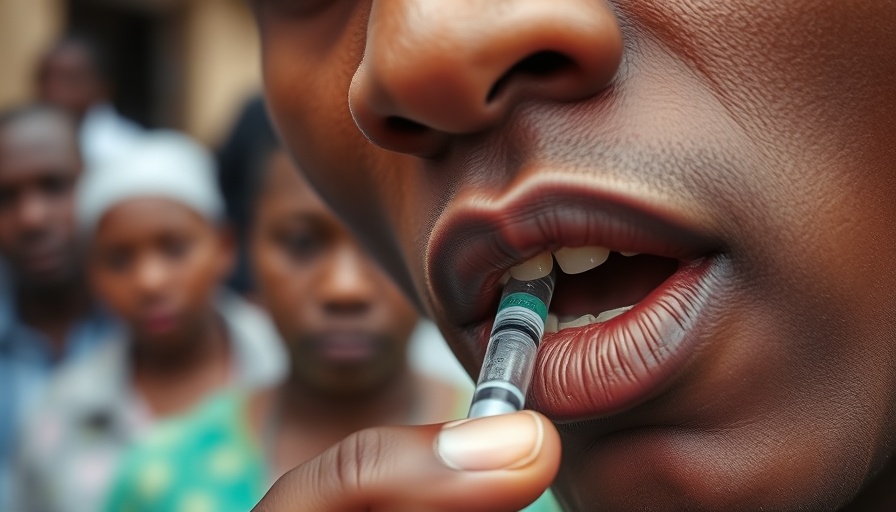
Close-up of a person highlighting Nigeria drug abuse crisis.

The Drug Abuse Epidemic: A Dire Crisis in Nigeria

Nigeria stands at a perilous crossroads as the drug abuse crisis relentlessly tightens its grip across the nation, particularly among the youth. The disturbing narrative surrounding substance abuse was recently amplified by a shocking viral video showing a mother feeding a sachet of alcohol to her infant. This alarming act has sparked outrage and raised questions about the societal implications of drug abuse in Nigeria, underscoring a silent epidemic that affects families and communities alike.

In 'Drug Abuse Crisis in Nigeria: The Rising Epidemic,' the discussion dives into a trending yet deeply alarming issue, exploring key insights that sparked deeper analysis on our end.

Trauma and Neglect: Underlying Causes of Drug Abuse

Behind the rising statistics of drug addiction lies a deeper, often unspoken reality—trauma, neglect, and systemic failures. Many individuals, particularly younger generations, turn to substances like codeine and tramadol as a means of coping with overwhelming pressures from society, financial struggles, and lack of emotional support. Addiction does not merely arise from the drugs themselves; rather, it flourishes in environments plagued by broken homes, inadequate support systems, and societal neglect.

The Role of Media and Social Influence in Normalizing Drug Use

Media portrayals of drug use—whether through music videos, online content, or societal memes—often glamorize substance consumption instead of addressing its consequences. According to experts, the normalization of drug culture can lead to young people perceiving drug use as a rite of passage or element of acceptance within their social circles. This sentiment fuels hazardous behavior that puts them at risk of addiction and its dire ramifications.

Parenting Missteps and the Need for Awareness

Parents hold a pivotal role in combating the drug abuse crisis, yet many are oblivious to the signs of potential substance misuse. Factors such as late-night outings, erratic behavior, and declining academic performance are often dismissed, resulting in delayed intervention. Encouraging open dialogue within families about the dangers of drugs is crucial. Parents must establish a supportive environment that fosters communication, in which children feel safe to discuss their emotions and experiences.

Confronting the Epidemic: Calls for National Intervention

Experts advocate for a national emergency declaration on substance abuse akin to responses in other countries grappling with similar crises. With projections indicating significant increases in drug use throughout Africa, it is imperative for the Nigerian government to prioritize the issue, implementing policies that address addiction from a public health and social assistance standpoint. Communities need accessible educational resources about the dangers of drug use to combat prevailing myths and stigma associated with addiction.

Pathways to Recovery and Reintegration

Recovery from addiction is possible, with numerous success stories emerging from various rehabilitation centers across Nigeria. However, sustainable recovery requires comprehensive support from families and society. Drug treatment facilities must focus not only on detoxification but also on the psychological and social factors that contribute to addiction. Those recovering from addiction should be welcomed back into society without stigma, as their experiences can serve as powerful testimonies that deter others from falling into similar traps.

The conversation surrounding drug abuse is not just about individual choices; it's a collective responsibility that involves families, schools, and communities. Addressing the crisis calls for an informed and compassionate approach, steering away from judgment and towards understanding and support.

Intracontinental Currents

11 Views

0 Comments

Write A Comment

*
*
Related Posts All Posts

Wike's Withdrawal: Why Political Trust is Crumbling in Rivers State

Update Political Landscape Transformation: Understanding Wike's Move In a rapidly changing political climate, the recent decision by Nyesom Wike to withdraw support for his predecessor, Siminalayi Fubara, has sent shockwaves throughout the political landscape of Rivers State, Nigeria. This dramatic pivot raises questions about stability within the state and potential repercussions that could echo across the African continent. Observers are left contemplating not only the motivations behind Wike's actions but also the broader implications for governance and leadership integrity in a region characterized by political uncertainty.In Henry Ekine Weighs in on Wike’s Withdrawal of Support for Fubara, the discussion dives into political instability in Nigeria, where key insights have sparked deeper analysis on our end. Understanding the Implications of Political Alliances Political alliances in Nigeria, as we have seen throughout its history, are typically fluid and influenced by a range of factors, including personal aspirations, political survival, and, at times, betrayal. Wike's withdrawal is particularly significant because it highlights the fragility of political relationships, which are often constructed on shifting sands rather than solid foundations of accountability and trust. This incident encourages scrutiny into the motives of political actors in Nigeria, linking it to the greater narrative of governance in Africa. Echoes of Political Instability Across the Continent This situation in Rivers State is illustrative of a broader trend of political instability affecting numerous nations across the African continent. From coups and contested elections to widespread corruption and governance failures, the continent's political climate remains precarious. Each incident, such as Wike's withdrawal of support, resonates beyond local borders, indicating a collective challenge faced by African leaders to inspire sufficient public trust and maintain political support amidst adversity. This oblate mirror of fragility could jeopardize socio-economic growth and strategic initiatives aimed at unifying the continent. Future Predictions: A Shift Towards Accountability? As the fallout from Wike's decision unfolds, political analysts speculate on whether this will precipitate a shift towards greater accountability in Nigerian politics. The hope is that such events might prompt leaders to reflect on their commitments to their constituents, fostering a culture where political leaders operate transparently, acknowledging both their successes and failures. Future political maneuvers in Nigeria will undoubtedly be watched closely by citizens yearning for more genuine representation. Local Reactions: The Voice of the People The response from the citizens of Rivers State — whose lives are directly influenced by these political machinations — has been one of mixed sentiments. Many express frustration over the ever-present political betrayals, feeling disenfranchised as leaders appear to prioritize personal gain over the collective welfare of the state. However, a segment of the population sees potential in this upheaval, believing that it could catapult fresh ideas and new leadership to the forefront of this democratic process. Call to Community Action In light of these developments, it is imperative for the citizens of Rivers State and the wider African populace to engage proactively. A robust civil society response, encapsulated in community dialogues and grassroots advocacy, can cultivate an environment where leaders are held accountable to the people they serve. From rallies to deliberative forums, citizens can amplify their voices, influencing policy decisions and demanding transparency in governance. In conclusion, Wike's move reveals deeper issues within Nigerian politics that reflect broader continental challenges. Engaging with this narrative isn't just about observing governance; it's about participating in shaping a future where political representation aligns with the aspirations of the people. As we reflect on this critical juncture, action from every corner of society is essential for paving the way for more accountable leadership in the future.

Exploring Nigeria's Road Crisis: The Urgent Need for Better Emergency Response Systems

Update Nigeria’s Road Safety Crisis: A Closer Look at the Numbers Nigeria’s road safety situation is alarming, with recent data revealing that thousands lose their lives annually due to road accidents. According to reports from the Federal Road Safety Corps, there is an alarming trend indicating that these casualties are not just statistics but represent devastating stories of families torn apart and lives prematurely lost. The grim reality poses a serious question: what is being done to address this enduring crisis?In Nigeria’s Road Crisis: Thousands Die as Emergency Response Fails, the discussion dives into Nigeria's road safety challenges, exploring key insights that sparked deeper analysis on our end. Why Emergency Response Systems Fail The road accidents in Nigeria are compounded by failures in emergency response systems. When accidents occur, timely intervention can mean the difference between life and death. Unfortunately, the existing infrastructure often lags behind, resulting in critical delays. Experts emphasize that the urgency of the need for better emergency response mechanisms can’t be overstated, particularly in a nation where road safety measures leave much to be desired. Government Accountability: The Need for Stronger Policies Despite the pleas from citizens and advocacy groups, government policies regarding road safety have largely been inadequate or poorly implemented. The absence of stringent regulations and sustainable road safety campaigns highlights a concerning trend of negligence. To protect commuters, stronger governmental policies are not just recommended; they are essential. Research indicates that countries with coherent road safety strategies experience significantly lower accident rates. Exploring Alternative Solutions: Lessons from Successful Models Globally, some countries are making headway in reducing road fatalities through innovative strategies. For instance, Sweden implemented the Vision Zero policy aimed at ending all road deaths and serious injuries. This approach merges traffic safety measures with infrastructural enhancements, showcasing the effectiveness of an integrated policy. Nigeria could benefit from adopting similar comprehensive strategies that not only address immediate concerns but also promote a long-term cultural shift towards road safety. Public Awareness and Community Engagement: A Crucial Element Raising public awareness about road safety is crucial in fostering a culture that prioritizes safety over convenience. Community engagement initiatives can promote understanding of road safety rules and the importance of compliance among drivers and pedestrians alike. Education drives not just awareness but can also galvanize public demand for better policies and funding for the necessary infrastructural changes. Future Predictions: What’s Next for Nigeria’s Roads? Looking ahead, the implications of failing to act could spell disaster for Nigerian roads. If current trends persist without intervention, we risk seeing an even greater loss of life. Transformative changes are needed, including increased funding for safe transportation projects, upgrades to existing roadways, and the integration of technology in monitoring and managing road safety. It’s not only a humanitarian issue but a step towards impacting Nigeria’s overall development positively. In times where road safety and emergency measures are paramount, the discussion ignited by Nigeria’s Road Crisis: Thousands Die as Emergency Response Fails is both timely and critical. As we analyze this ongoing situation, we must enforce a collective voice demanding accountability and action from our leaders. Only through sustained pressure and community involvement can we hope to reduce the mounting toll of lives lost on our roads.

Nigeria Faces Mozambique in AFCON: Navigating Sports and Political Turmoil

Update Nigeria's Decisive AFCON Clash Against Mozambique As the Super Eagles gear up for a crucial match in the AFCON 2025 Round of 16, Nigeria finds itself at a pivotal juncture in its football history. The face-off against Mozambique not only serves as a test of skill and strategy but also stands as a measure of the nation’s resolve. Fans and analysts alike are keeping a close watch on how Nigeria will harness the momentum gained from its group stage performance to push forward in this knockout round. Historically, success in such high-stakes matches has often allowed teams to redefine their trajectories, not just in tournaments, but in national pride. For Nigeria, this clash embodies the hopes of a nation eager for glory.In 'Nigeria vs Mozambique AFCON Clash | Peter Obi–ADC Rift | Lagos GNI Fire Death Toll Rises', the discussion dives into pivotal matches and pressing issues in Nigeria, setting the stage for a deeper analysis. The Political Turbulence: Peter Obi and the ADC Factional Crisis Outside the furious world of football, Nigeria's political arena is simultaneously embroiled in its own type of drama. As Peter Obi aligns himself with the African Democratic Congress (ADC), internal strife surfaces within the party, leading to acrimonious debates over his legitimacy as a member. This rift raises serious questions about the structures governing political parties in Nigeria. How can internal democracy be assured when factions within parties can challenge valid registrations? The ongoing political disputes reflect broader concerns about accountability, governance, and credibility, particularly as the nation heads towards crucial elections. Obi’s situation exemplifies the fragility of party unity in the context of Nigeria's complex political landscape. Grief in Lagos: The Aftermath of the GNI Building Fire Meanwhile, the tragic GNI Building fire in Lagos serves as a grim reminder of the vulnerabilities that urban life in Nigeria carries. With a rising death toll now at eight, the city grapples with grief, unanswered questions, and a state of mourning. Governor Babajide Sanwo-Olu’s prompt decision to order the demolition of the structure is a response to public outcry regarding safety regulations and emergency preparedness. The incident highlights systemic issues concerning building codes and infrastructure management in Nigeria's densely populated urban centers, raising concerns about public safety and accountability. What steps can be taken to ensure such tragedies are prevented in the future? The Intersection of Sports, Politics, and Community Concerns The fervor surrounding the football match, coupled with the political controversies and communal tragedies, illustrates the interconnected fabric of Nigerian society. Sports often serve as a unifying force, bringing communities together in times of triumph and trial. Yet, as evidenced by the current landscape, the synergy between politics and sports also elicits a myriad of public sentiments, from hope to despair. Fans are rallying behind the Super Eagles, while citizens demand accountability from their leaders regarding safety and governance. Public Sentiment and the Urgency for Change Given recent events, a palpable sense of urgency permeates throughout the nation. Citizens are increasingly vocal about their expectations for political clarity and safety in urban spaces, particularly in Lagos. The dual narratives of sports and politics serve not only to divert attention but also to galvanize action among the populace, inspiring collective demands for better governance and accountability. If football can ignite passion, perhaps the same fervor can be directed towards enacting necessary reforms. Conclusions: A Call to Civic Responsibility As the Super Eagles take to the field against Mozambique, they carry with them the dreams of over 200 million Nigerians. Simultaneously, the nation must confront its internal challenges with political integrity and infrastructural accountability. As sports serve as a brief respite from the harsh realities of everyday life, they also reflect the complexities of a nation navigating through difficult times. Citizens, both avid sports fans and concerned voters alike, must remain engaged in discussions surrounding safeguards for communal safety and the foundational tenets of political democracy.

Terms of Service

Privacy Policy

Core Modal Title

Sorry, no results found

You Might Find These Articles Interesting

T
Please Check Your Email
We Will Be Following Up Shortly
*
*
*