Add Row
Add Element
Add Element
  • Channel
    • VIRTUAL EVENTS BILLBOARD
    • CONFERENCES & CONVENTIONS
    • # THE VORTEX ALTITUDE
  • Featured
    • THE VORTEX VISIONARY VIEW
    • African Changemakers
    • Future of Africa
    • Sustainable Africa
    • Women Vortex
    • Vortex Global Pulse
    • Habitat Trails
    • InterContinental Issues
    • Intracontinental Currents
    • #FUTURE FEATURE INVITATION
July 26.2025
2 Minutes Read

Confronting Africa's Climate Crisis: Four Urgent Issues Investors Must Address

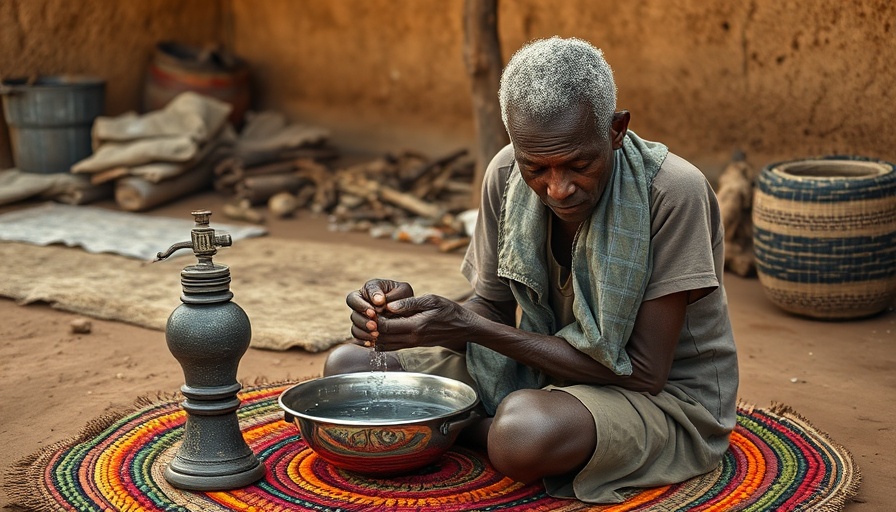
Elderly man and child in rural Africa highlighting climate issues.

The Emerging Climate Crisis: Four Key Issues Affecting Africa and Beyond

As climate change continues to exert profound influence on global policies and economies, recent findings from the UN Environment Programme (UNEP) reflect alarming realities that threaten vulnerable communities worldwide. The Frontiers Report 2025 underscores four urgent climate issues that, if left unaddressed, could significantly impact Africa's socio-economic landscape and its interrelations on the world stage.

Melting Glacier Microbes: Unseen Threats Rising

The thawing of glaciers, a direct consequence of rising global temperatures, is releasing ancient microbes previously trapped in ice. These microbes pose potential health risks, as they could resurface in human populations where immunity levels are low. For business leaders and policymakers in Africa, understanding the implications of such microbial threats can inform healthcare systems and preventive measures, emphasizing the need for robust public health policies.

Legacy Pollution: A Toxic Inheritance

Pollution from decades past continues to cast a long shadow, with floods exacerbating the release of toxic materials into the environment. Undoubtedly, this situation represents a stark reality for many African nations, impacting food security and public health. Addressing legacy pollution is crucial for sustainable economic growth, financial markets stability, and enhancing governance frameworks that prioritize health and safety.

Undamming Rivers: Ecological and Economic Implications

As globalization drives demand for resources, Africa's rivers face pressure from development projects aimed at leveraging natural assets. The undamming of these rivers can restore ecosystems, but redistributive challenges arise which affect water security for communities relying on this resource. Therefore, it becomes essential to consider the balance between conservation efforts and growing economic needs, potentially informing future trade policies across the continent.

Climate Vulnerabilities for the Aging Population

With an increasingly elderly demographic, climate risks present unique challenges in Africa, especially in rural areas where healthcare access is limited. Vulnerabilities may deepen as extreme weather events become more frequent, impacting health and personal safety. It is imperative for African leaders to recognize the link between climate change, aging, and socio-economic stability, utilizing this information to shape effective policies that protect their most vulnerable citizens.

Preparing for the Future: What Actions Can Be Taken?

Given these pressing climate issues, immediate action is vital. Stakeholders across various sectors must prioritize sustainable practices, harness technological innovations, and collaborate on international policies to combat these threats. Effectively addressing these challenges not only serves the interests of African nations but also solidifies their standing in global discussions around climate action and economic resilience.

In conclusion, the comprehensive approach to climate change highlighted in the UNEP report provides a critical framework for policymakers and business leaders alike to foster resilience against these emerging threats. Understanding the intersections of health, environment, and governance in the context of these issues can empower Africa to navigate the complexities of a changing climate. As an engaged participant in these discussions, now is the time to build a sustainable future.

Vortex Global Pulse

7 Views

0 Comments

Write A Comment

*
*
Related Posts All Posts

Exploring Climate Resilience: How Disaster Refuges Protect Lives in Palau

Update Building Climate Resilience Through Emergency Shelters In an era marked by climate change, the Pacific island nation of Palau exemplifies proactive measures to combat its effects through the establishment of disaster refuges. These shelters serve as more than just places of refuge during natural disasters; they symbolize a community's strength and resilience in the face of increasing climate-related hazards. Supported by the United Nations and driven by local leadership, these shelters are a critical component of Palau's strategy to safeguard its inhabitants against rising sea levels, violent typhoons, and flooding. Community-Centric Designs Emphasizing Inclusivity The emergency refuges are crafted not only as safe havens but also as hubs that foster community engagement and preparedness. Each facility includes accessible features, ensuring that everyone, including persons with disabilities, can seek shelter without barriers. Supports from the International Organization for Migration (IOM) emphasize the need for social and institutional resilience alongside the physical structures. As community members like Techitong highlight, these shelters are fundamental in preserving cultural identity and social cohesion amidst displacement risks. A National Network for Crisis Preparedness Four out of eight disaster shelters have already been fortified and handed over to the community, showcasing a commitment to sustainable infrastructure that withstands the forces of nature. These shelters boast features such as rainwater collection systems, solar panels, and flood-resistant construction, enhancing the island's preparedness for extreme events. The collective efforts of the government and civil sectors underscore a critical understanding of disaster risk reduction that extends beyond simply meeting immediate needs. Future Predictions: How Can Other Regions Follow Suit? Palau’s approach to disaster management holds significant implications for other small island nations grappling with similar threats. The investment in resilient infrastructure reflects an emerging trend that emphasizes preventative actions over reactive measures. Markets globally, especially in African nations vulnerable to climate change, should observe and consider similar frameworks to protect communities and enhance local capacity. This progressive step can shape not just local governance strategies but foster international cooperation to address climate-induced challenges. Calls for Global Support As small island states like Palau face perilous conditions that jeopardize their future, global solidarity becomes crucial. Richer nations must direct investments and policies towards sustainable development projects like those in Palau. Businesses and investors can also play a pivotal role by recognizing the potential to create robust partnerships that prioritize environmental resilience. The shelter initiative is a testament to what determined collaborations can accomplish, protecting lives and laying the groundwork for sustainable futures. Ultimately, the pillars of community resilience—people, planet, prosperity, and peace—should guide our understanding of climate action. As communities across the globe look to Palau's proactive strategies, it becomes evident that fostering climate resilience not only safeguards individuals but greatly enhances the socio-economic viability of nations at risk.

How ‘Agrihoods’ Could Transform Urban Living in Africa

Update Exploring the Emergence of ‘Agrihoods’: The Neighborhoods of the Future Amidst the evolving landscape of urban living, a new wave of residential development, known as ‘agrihoods’, is gaining traction, particularly across the African continent. These innovative neighborhoods emphasize agriculture as a cornerstone of community living, integrating sustainable farming practices into housing designs. The urgency for such developments arises from Africa's rapidly urbanizing population and increasing food insecurity, which challenge the traditional urban infrastructure. Connecting Communities to Sustainable Practices ‘Agrihoods’ present an opportunity to bridge the gap between urban dwellers and sustainable food sources. By incorporating urban farming into residential areas, these neighborhoods foster a sense of community and connection to the land. This alignment with urban agriculture—an area already recognized for its capacity to address food deserts and bolster local economies—can meet the dual challenges of enhancing food security while promoting green spaces in cities. As highlighted in recent discussions on urban farming sustainability, solutions such as vertical farming and rooftop gardens are becoming pivotal in this transformation. For instance, vertical farming maximizes limited space, allowing agrihoods to flourish within compact urban settings. This design not only promotes fresh produce access but also mitigates urban heat effects, fostering a healthier environment. The Role of Policy in Supporting Agrihoods For these agrihoods to thrive, supportive public policies are essential. Local governments can incentivize the development of agricultural spaces within urban planning frameworks through zoning laws that facilitate agricultural use in residential developments. Similar to initiatives seen in successful urban agriculture examples worldwide, policy support could significantly lower entry barriers for new agrihood projects, helping them to establish themselves as sustainable elements of urban infrastructure. Future Trends in Urban Agriculture The future of agrihoods may also be shaped by the integration of advanced technologies, reinforcing agricultural efficiency. Innovations such as Internet of Things (IoT) applications and agricultural robotics can streamline farming practices, aligning with the sustainable ambitions of these communities. Agriculture in developed urban areas would not only focus on productivity but also on preserving the ecosystem while providing healthy food to residents. The Economic Impact of Agrihoods As stakeholders in the African economy seek to capitalize on the global trend of sustainable and intentional living, agrihoods present a viable commercial opportunity. With robust investment in agricultural technology and practices, these neighborhoods could become a critical part of Africa's growth narrative. Not only do they promise to enrich community life and environmental sustainability, but they could also serve as an economic boon by drawing more residents to urban centers. Concluding Thoughts The prospect of ‘agrihoods’ could redefine urban living in Africa against a backdrop of soaring population demands and climate challenges. To realize this vision, collaboration among policymakers, investors, and communities will be paramount. As Africa continues to carve out its place in global agricultural discussions, embracing innovative models like agrihoods may well shape a sustainable path forward in the fight against food insecurity and urban ecological decline.

AI Threats to Children: Urgent Call from the UN for Global Action

Update UN Highlights Urgent Need to Safeguard Children from AI Threats In a sweeping warning, the United Nations has illuminated the growing threats that artificial intelligence poses to children globally. With the rise in incidents involving grooming, cyberbullying, deepfakes, and sexual exploitation, the UN's call for immediate protective measures is echoing across nations, urging digital literacy in AI-related environments. Escalating Risks: Are We Ready? The report underscores that cases of online child exploitation are rapidly soaring. In the United States alone, technology-facilitated child abuse cases surged from 4,700 in 2023 to over 67,000 in just a year, painting a dire picture of the dangers children face. This alarming trend has prompted a surge in governmental actions, including Australia’s recent ban on social media use for children under 16. The focus is now on tech companies to prioritize child safety and for global education on AI literacy. The Growing Influence of AI on Children's Lives As children increasingly interact with AI technologies, such as chatbots and personal assistants, there is concern about the potential for AI to be misused. Recent studies reveal that many children utilize tools like ChatGPT daily, often without parental oversight. This access to generative AI platforms raises questions about their safety and the kind of information they may receive. Moreover, the rise of AI-generated disinformation and phishing scams complicates the landscape, making children more susceptible to exploitation and manipulation online. Addressing Inequities in the Digital Sphere UN agencies warn that the digital divide exacerbates these risks, with marginalized communities bearing the brunt of unfair repercussions from AI's unchecked advancement. As governments contemplate regulatory frameworks to harness AI's potential safely, those in low-income regions may not fully benefit from the protections that wealthier nations can implement. A concerted global effort is essential to ensure equitable access to digital education and protections, paving the way for an inclusive digital future. Next Steps for Policymakers and Communities The advocacy from the UN emphasizes that immediate actions are required to combat these new threats. Policymakers, tech companies, and civil societies must collaborate to develop robust guidelines and practices focused on protecting children. Increasing transparency among AI developers and fostering a culture of proactive child-centered policies will be vital in mitigating the alarming risks posed by AI. As the landscape of AI technology evolves, so too must our approaches to ensuring children's safety. Engaging parents, educators, and communities in this dialogue is essential for fostering understanding and resilience against the potential dangers presented by AI. The future of AI requires a strong commitment to human rights and child protection if we are to navigate these challenges effectively.

Terms of Service

Privacy Policy

Core Modal Title

Sorry, no results found

You Might Find These Articles Interesting

T
Please Check Your Email
We Will Be Following Up Shortly
*
*
*